When drifting afloat on a river there are many ways to place the weight in your set up. I believe the two main methods in drifting is called short floating or bottom bouncing. The type of river flow also determines what kind of weight is used. Out here in the west, we are talking about fast-flowing, large rivers and the steelheads are spread out and always in the move. In the East often we are describing tributaries that are medium to slow-moving water. At some areas on the tributary, it’s no more than thirty feet wide and often the steelheads are congregating in a small area.
Short floating means that the weight will never touch the bottom and the offering is a foot or more above the river bottom.
Each angler will have heir own method if weighting their lines. This is mine.
I like my lead to touch the bottom. That means my offering will be within a foot from the bottom never higher. The problem with this method is the snags. Lead is soft and wants to stick to any irregularities.
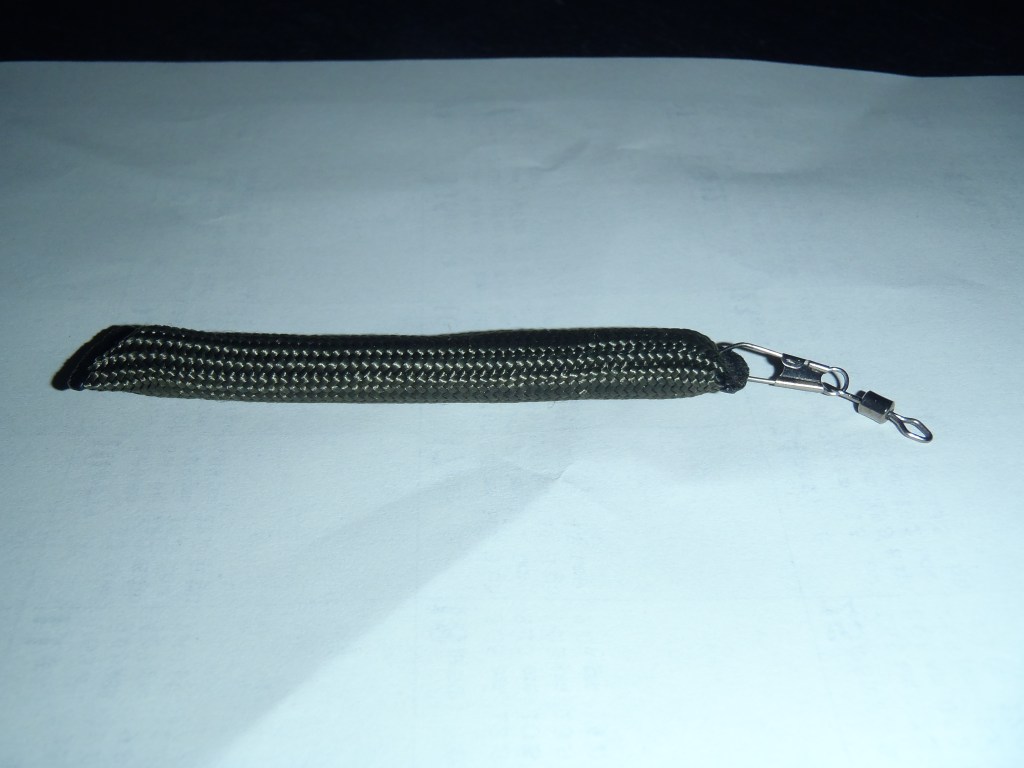
To avoid this I encase a length of a lead pencil with a parachute chord casing that offers very little to no friction when among the rocks. We cast long distances( 50 feet plus) often and I find that there is no gear tangled when the weight is concentrated to one area and not spread out like when you use splits shots. The shape of the lead weight is often detrimental also to a smooth drift if touching the bottom.
The length of the pencil lead will vary on the speed of water you’re fishing. This method with the snap swivel allows quick changes if adjustments are needed.
In making these weights you need pencil lead, parachute cord casing, needle nose pliers, cigarette lighter, a small bead, and snap swivels.
1:Slide the length of the pencil leads into the parachute chord past the entry. Lite the end melt it then squeeze the end with the pliers.
2: move the lead back down the chord to the seal end and then cut the chord! inch away from the length of the pencil lead. Melt that end with the lighter and then squeeze the end with pliers.
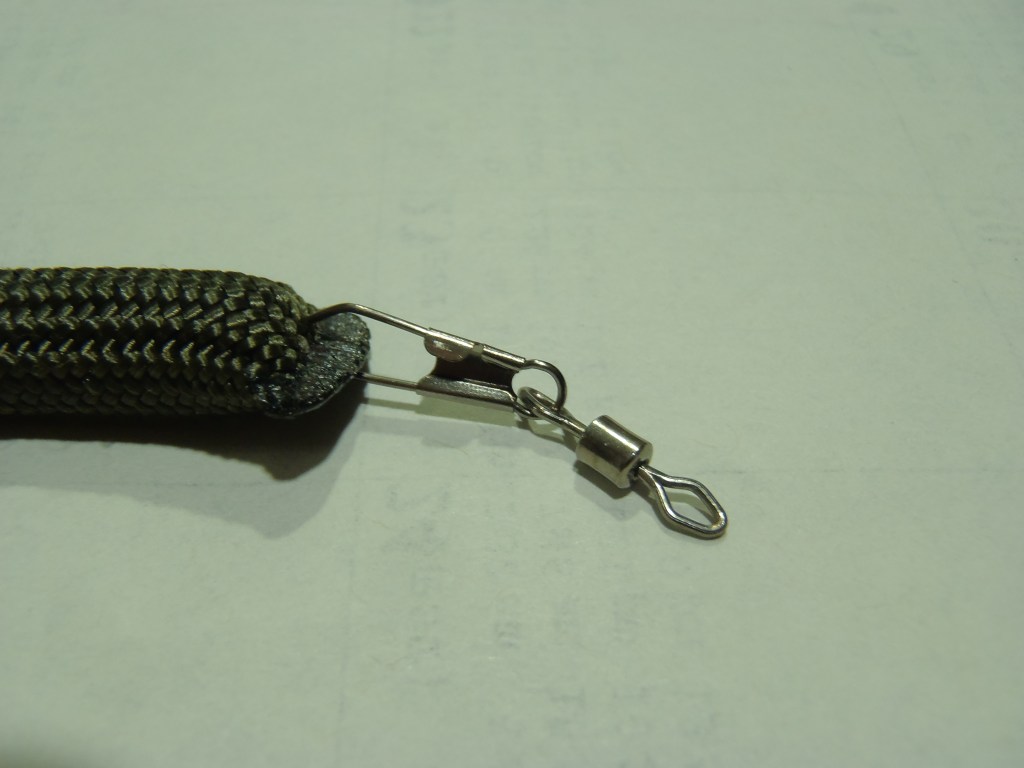
3:When attaching the leads to the swivel try to center the swivel. This will stop the swivel from spinning
4: Your main line goes through the snap swivel and a small bead to protect the knot. I believe the bead also adds as an attraction or to your offer. With the line moving freely I can feel any soft resistance that can occur with this wily steelhead. The lead only moves away from the swivel on a bite. In some states, I hear there is an issue if the lead is a certain distance from your offering. In that case, use a sliding stopper above the weight to avoid any violation.
This is my successful technique for our kind of rivers in British Columbia big rivers.
Pro Staff
Gil d’Oliveira AKA treblig
https://castingalineblog.wordpress.com
https://www.nationalprostaff.com/users/9122/gil-d-oliveira
https://www.facebook.com/profile.php?id=100011249798180
https://www.instagram.com/treblig2009/
https://plus.google.com/+GildOliveira/videos
https://twitter.com/treblig123456
https://www.pinterest.com/gildoliveira/
Discover more from castingaline.ca
Subscribe to get the latest posts sent to your email.

