Flossing, a Fishing Technique, Legal or Not?
This subject is so hot that even magazines won’t touch the debate as it always brings out the worst of our human nature, highly controversial to many anglers.
So as not to incite any hostilities, let’s look at this calmly. Here are some views.
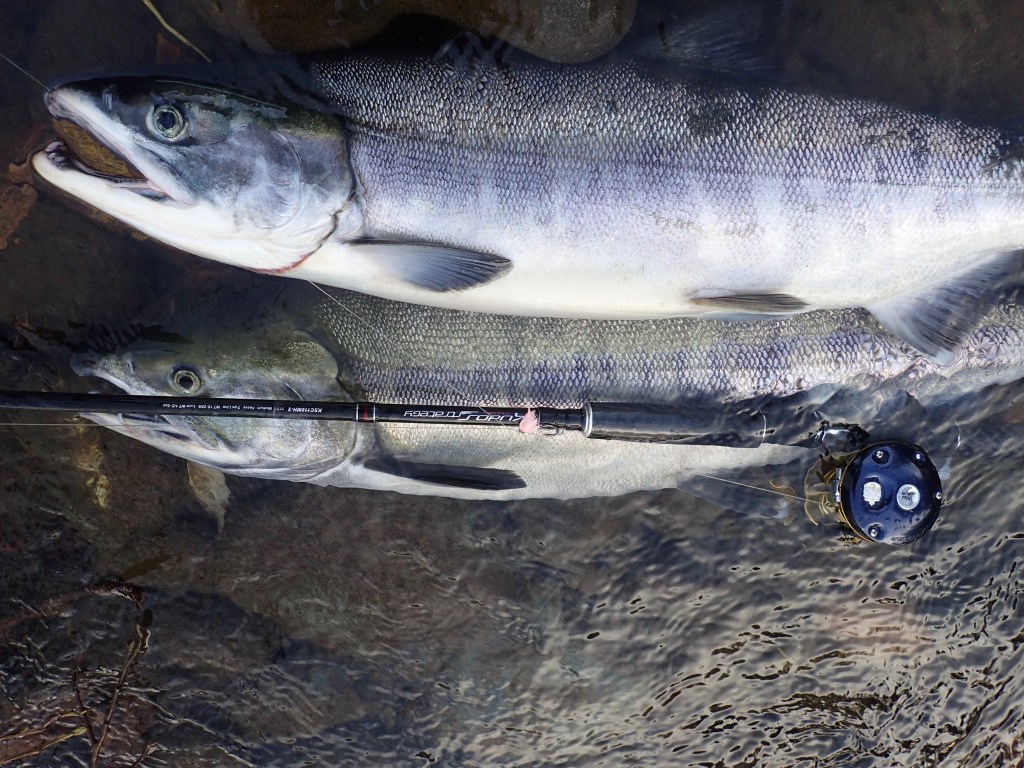
Anglers often get into heated arguments about the technique termed Flossing when it is discussed. In many cases, the heated arguments have nothing to do with legal regulations and what isn’t. A Few Anglers believe it is unethical or Un sporty, and it is not a respectful way to fish.
Flossing
Whether an angler’s bottom bounces with his weight, float drifts with his weight tapping along the bottom, or swinging a heavyweight fly with a sinking tip close to the bottom while swinging the leader where the salmon are holding. A common factor is that the leader swings down the river and can fall into the salmon’s mouth, drawing the line to the salmon’s hook, which is not considered foul by British Columbia Regulation (laws.) Thus, hook placement is the most important factor in determining a legal hook-up in British Columbia.
It is human nature to criticize others. Is it illegal fishing methods or ethical concerns causing the debate?
Ethics -The Britannica Answer
“The term ethics may refer to the philosophical study of the concepts of moral right and wrong and moral good and bad, any philosophical theory of what is morally right and wrong or morally good and bad, and any system or code of moral rules, principles, or values.”
In this instance, some anglers believe they have the right to force their beliefs of angling ethics or their interpretation of the regulations. They want to force those beliefs on others who don’t share them. This attitude throughout our history has characterized human nature.
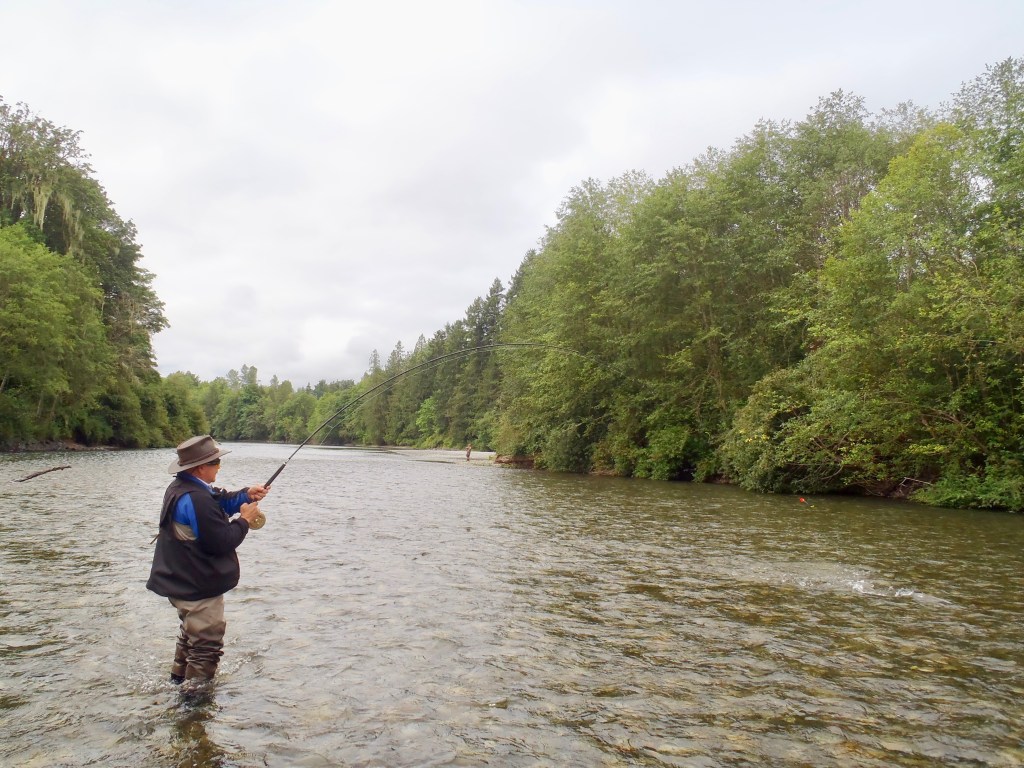
Is it legal – YES and NO?
Check the regulations of the river you’re fishing in before using this technique. British Columbia Freshwater Regulation Synopsis states:
Page 80- “Snagging (foul hooking): hooking a fish in any part of its body other than the mouth. ”
Attempting to snag fish of any species is prohibited. Any fish willfully or accidentally snagged must be immediately released. Therefore, anglers are prohibited from keeping their catches if the hook is in any other part of the fish’s body besides the mouth.
Willfully Snagging (Foul Hooking)
An angler drops his hook near the fish he believes is there and pulls back the line several times with a hookset even though he has not felt a bite – trying to snag a fish.
Therefore, if the angler is ripping the rod back in a jerking motion, that angler is willfully attempting to foul-hook the salmon.
Yet if the angler feels a tug, resistance, a bite while fishing his drift down river and then draws back his rod quickly, that is considered a hook set.
So it comes down to the hook placement by British Columbia Regulations.
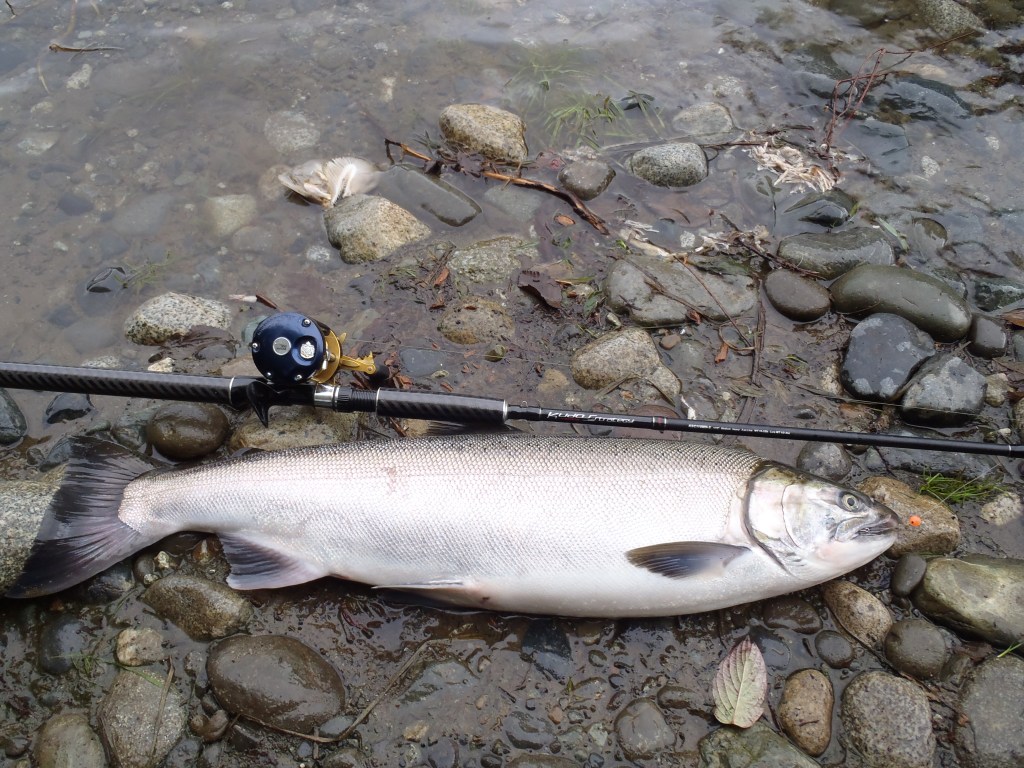
The argument is that if the hook is placed ( the mouth ), it is a legal catch. According to the British Columbia regulation synopsis, snagging (foul hooking) refers to any part of the salmon other than the mouth.
BC Freshwater Fishing Regulation Synopsis
Legal
Flossing involves an angler drifting his gear with a line intact and bringing it in without setting the hook unless a salmon is on the hook. It is considered legal and not foul hooking. Its hook is not in any other part of its body but the mouth.
- Special note. In British Columbia, the regulations say “the mouth.”
- Some United States regulations added the word ” inside the mouth.”
Every angler needs to check on the non-tidal synopsis in their target area.
Leader length
Things get touchy when it comes to this subject. A typical angler’s leader is approximately 3 feet long. Others may be shorter. Often it is considered Un sporty to use a leader longer than 3 feet. Anglers fishing the Fraser River use up to ten feet of leaders. There have been talks about capping the leader’s length, but nothing is official.

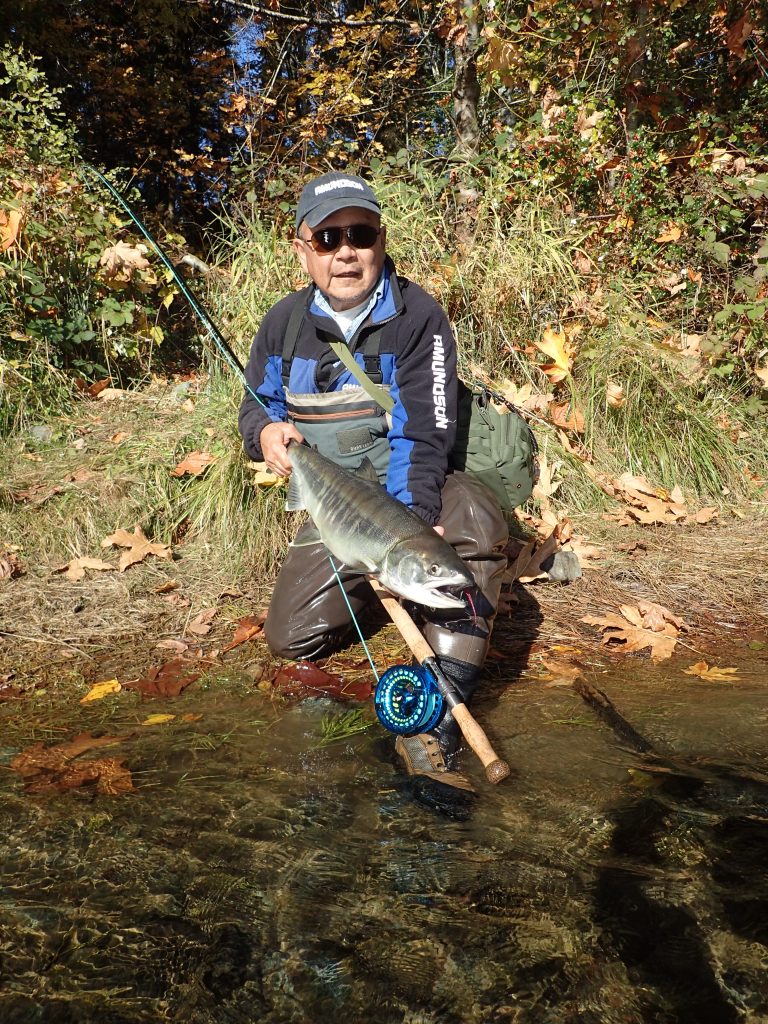
The wording for a cap on leader length would have to be very descriptive. For example, is a fly angler fishing for salmon with a 12-foot weighted sink tip, a weighted or non-weighted fly, using a 10-foot tapered leader considered too long? The line does swing down, and the leader can enter the mouth leading down to the hook on the swing. The answer lies in ethics, not law. The heated debate continues.
An angler fishing with wool, soft or hard beads, corkies, spin glows, etc., using the same technique with a three-foot leader, is this called Flossing? No, say those who disagree, and the debate over ethics continues.
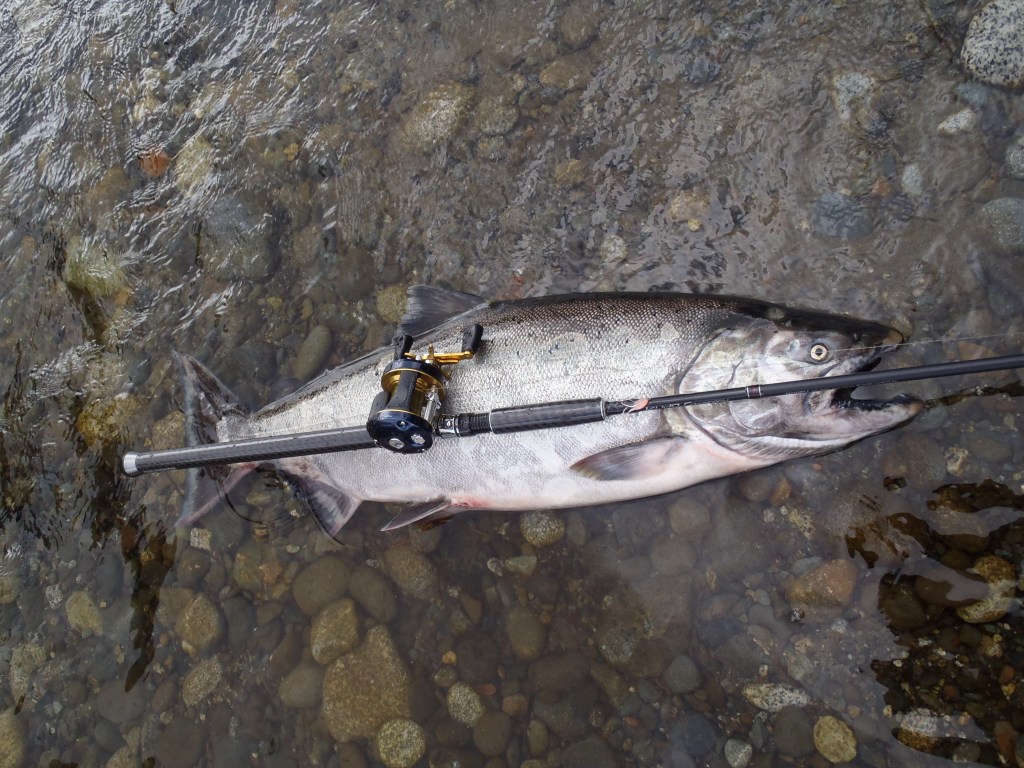
When fishing rivers. Regardless of our fishing setup, we have all used the descriptive technique of casting the line out and letting it drift downriver to where the salmon is.
It is proven that salmon bite. Salmon will often have the eggs of their spawning competitors in their stomachs during spawning. It is either out of aggression, a reflex to consume, or an attempt to destroy their competitors’ eggs so they can maintain their genes.
Amazing revelation: Some Pacific salmon DO feed during spawning run
https://www.canr.msu.edu/news/amazing_revelation_some_pacific_salmon_do_feed_during_spawning_run
As a result, some anglers refuse to accept this explanation and term flossing as a derogatory technique even though it is legal and even if there is the possibility the salmon bit.
In the United States
Each state has its regulations in the United States, and some allow snagging (foul-hooking). They break it down into species. Some states define foul hooking as taking fish by hooking fish in any part of the body other than inside the mouth.
Many states’ regulations are more detailed about on-hook placement.
If a hook does not enter “in” the mouth, in Alaska, it is considered fouled hook and must be released.
An example is the bead fisherman placing the bead 1-2 inches above the hook—a legal way to fish in Alaska. Often the hook will enter the corner of the jaw from the outside. That is considered a foul hook and must be safely released.
Page #7. SNAGGING IN FRESHWATER IS PROHIBITED:
• It is unlawful to intentionally snag or attempt to snag any fish in freshwater.
• “Snag” means to hook a fish elsewhere than in its mouth. If a fish is hooked elsewhere, the angler must release it immediately.
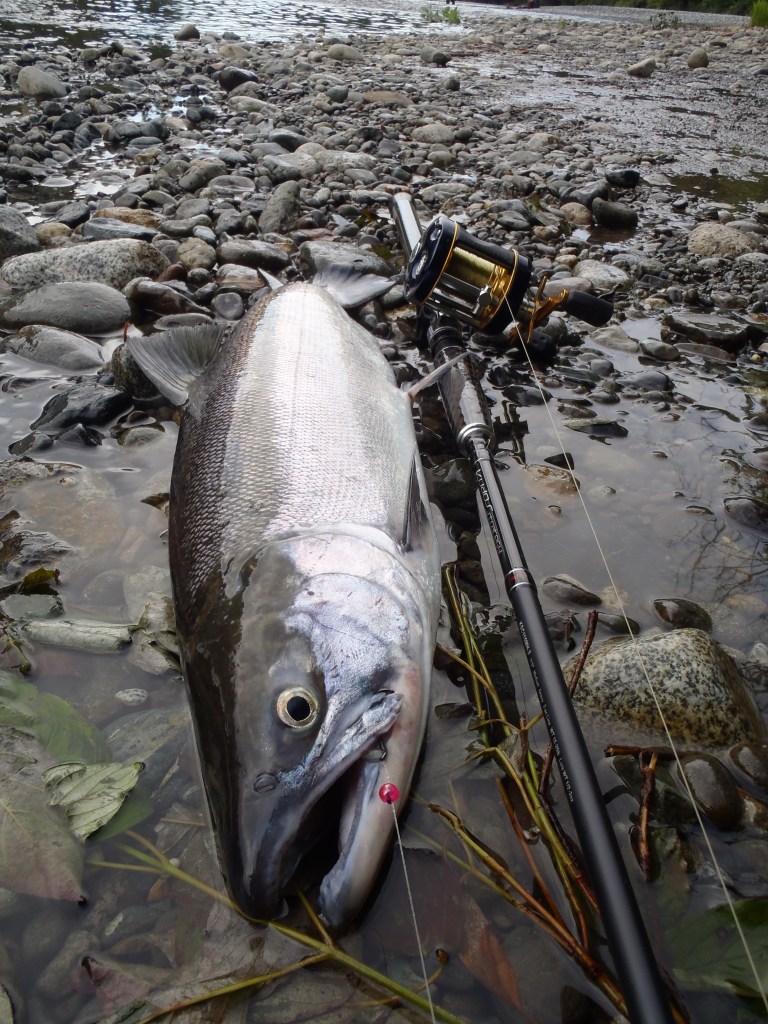
It all comes down to hook placement, regardless of the angler’s actions, like ripping his rod back, which does fall into the category of willfully attempting to foul hook. Still, if the hook is positioned at the mouth of the salmon by law, it’s a legal catch and not snagging (foul hooking.)
Thus, it comes down to the ethics of what one angler believes to be sporty and wishes to force that belief on others.
Flossing is legal. Let’s move on.
Discover more from castingaline.ca
Subscribe to get the latest posts sent to your email.

