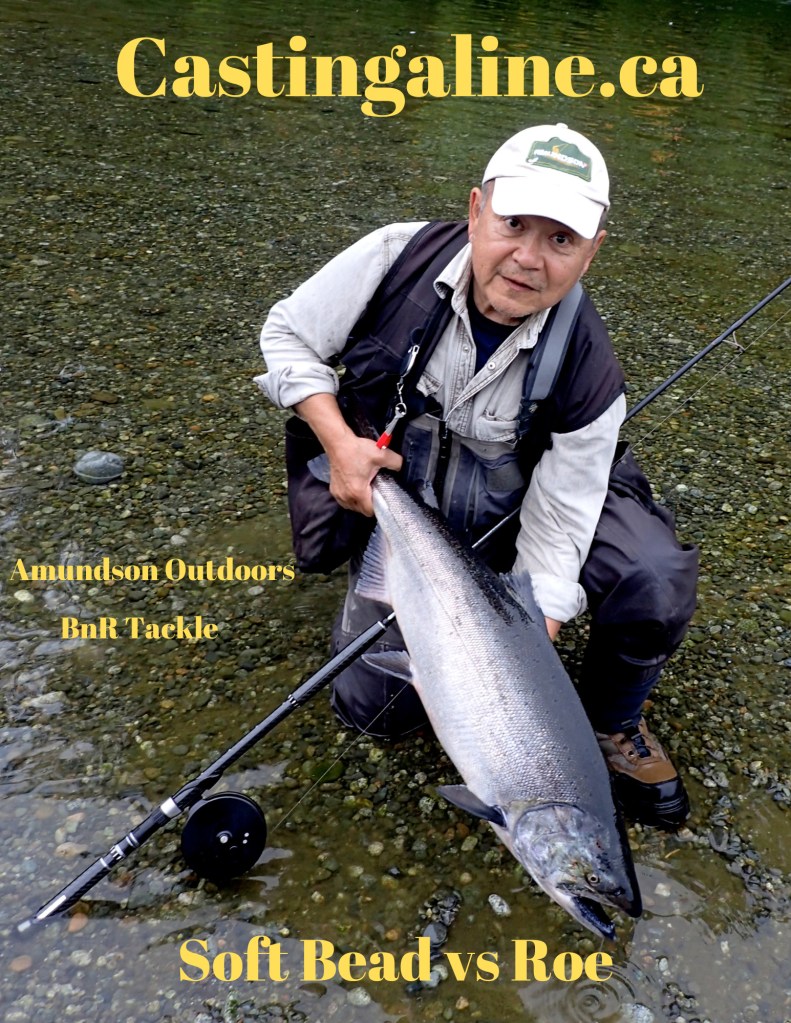
My preferred method for catching salmon involves allowing a float to drift along the river. Observing the float as it moves and is subsequently submerged when a salmon bites is truly exhilarating.
This method is commonly employed by anglers fishing in rivers, whether on a boat or wading in the river. Each angler tends to have their preferred way of setting up their gear. While this setup has numerous variations, it typically includes a float, which can be either fixed or sliding. Additionally, weight is available in various shapes and sizes, fixed or sliding, along with flies, hard or soft lures, or bait.
I’ve noticed two distinct approaches to using salmon roe. One involves creating roe bags with individual eggs, while the other is fishing with chunks of cured roe that are kept together by their skien. Sadly, the number of rivers where bait fishing is permitted has decreased.
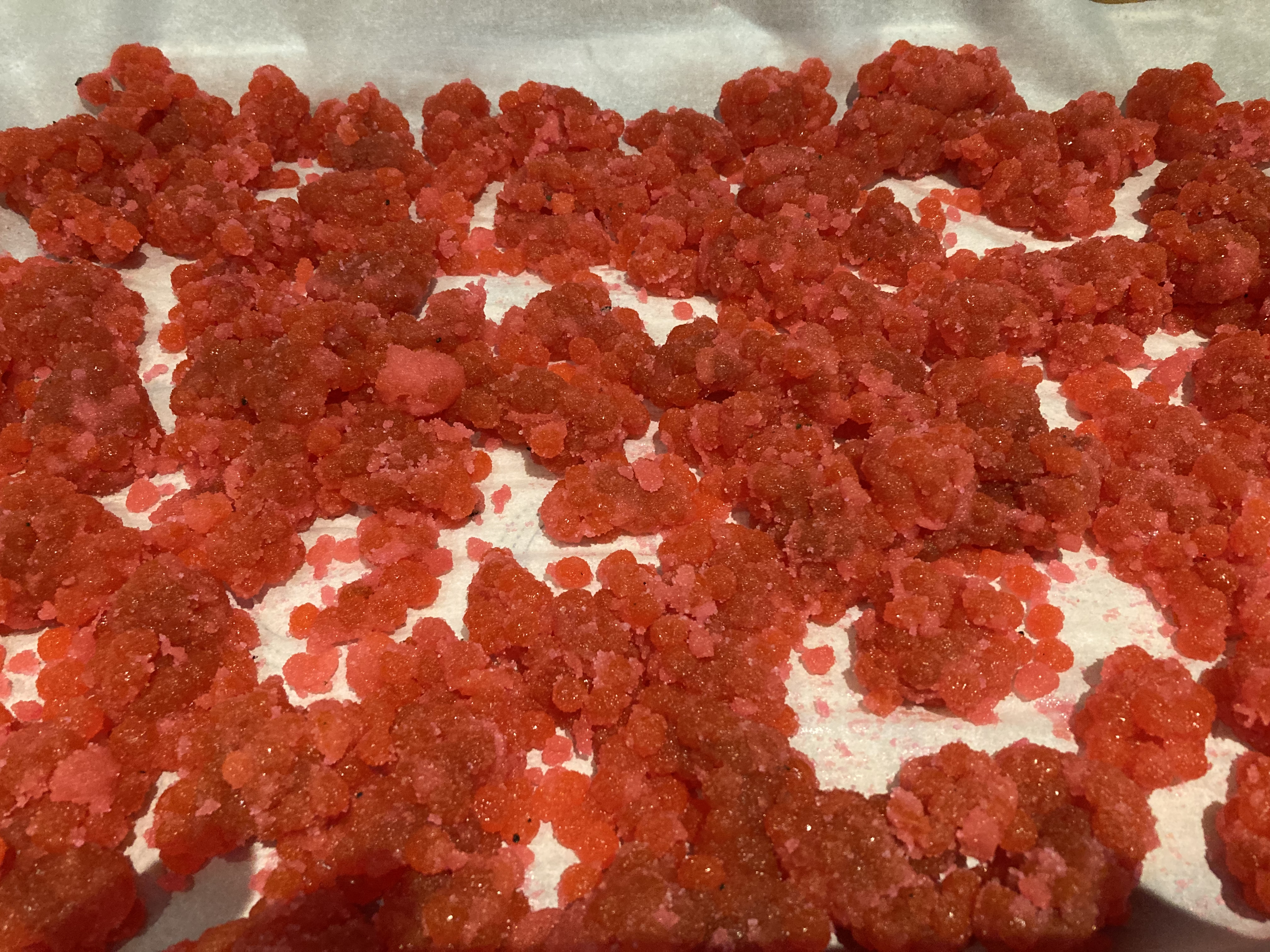
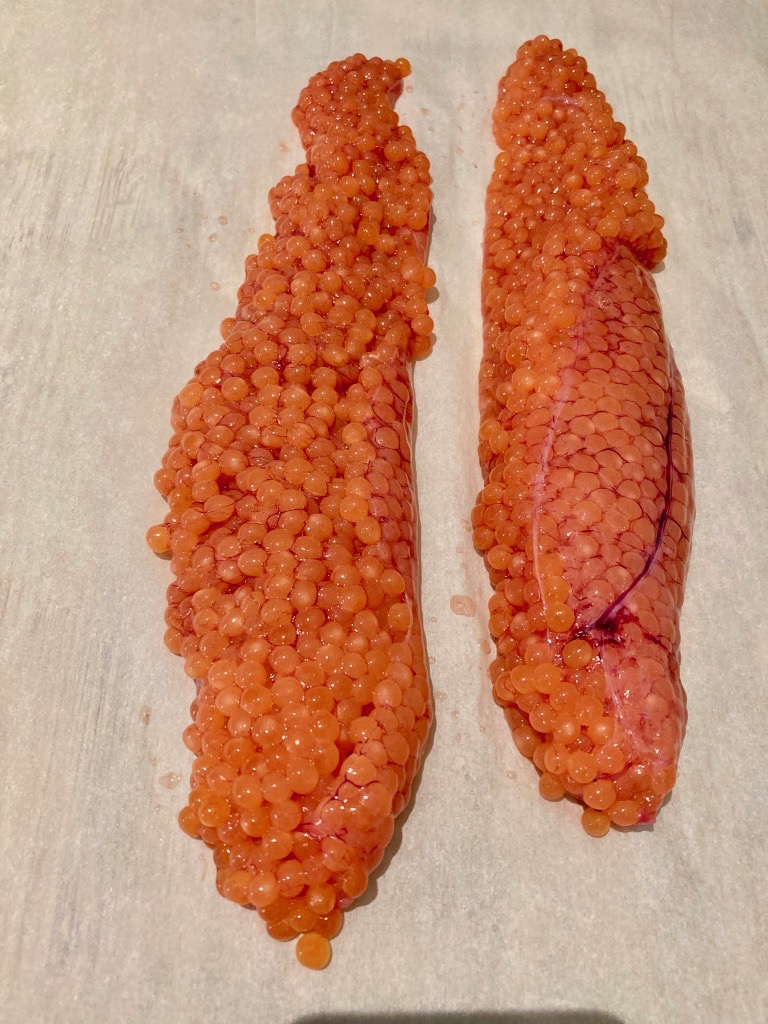

Anglers have been effectively experimenting with beads that mimic single eggs or clusters of roe, with sizes varying from 8 MM to 30 MM. These beads can be made either hard or soft, and there’s been an ongoing discussion about which type is superior.
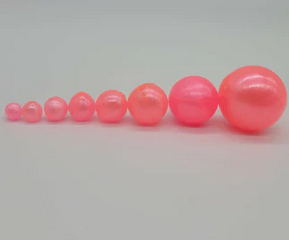
BnR Bead sizes
Hard beads tend to sink more quickly and settle nearer to the riverbed. They also usually offer better durability against wear and tear from structures and obstacles.
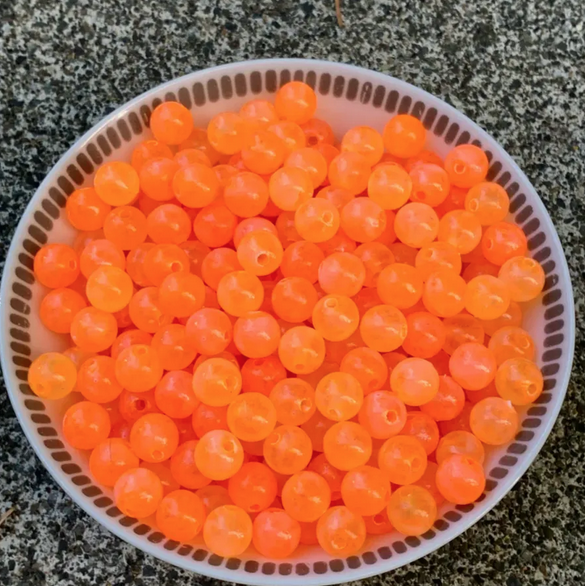
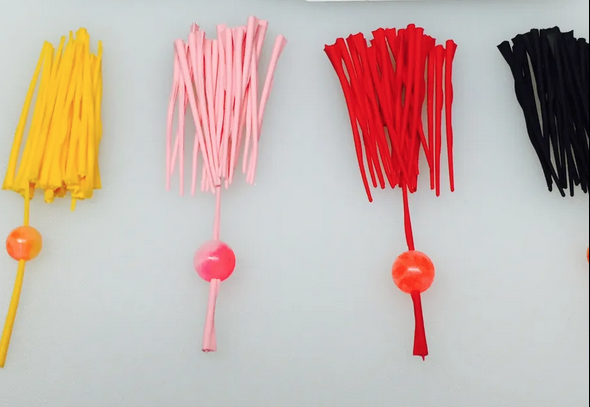
The soft bead has a higher buoyancy and stays just above the riverbed. Since it’s soft, it can get damaged if it comes into contact with the river structures while drifting. However, this won’t pose an issue if the rig is set up for short floating (with the weight not touching the river bottom).
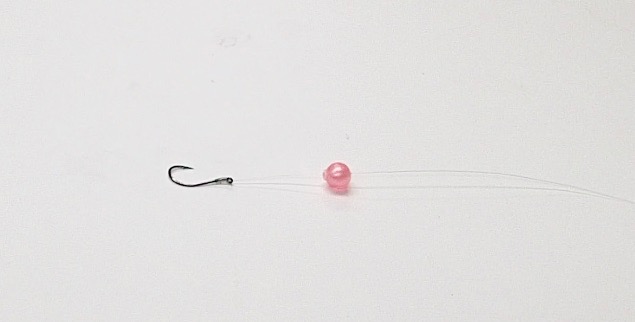
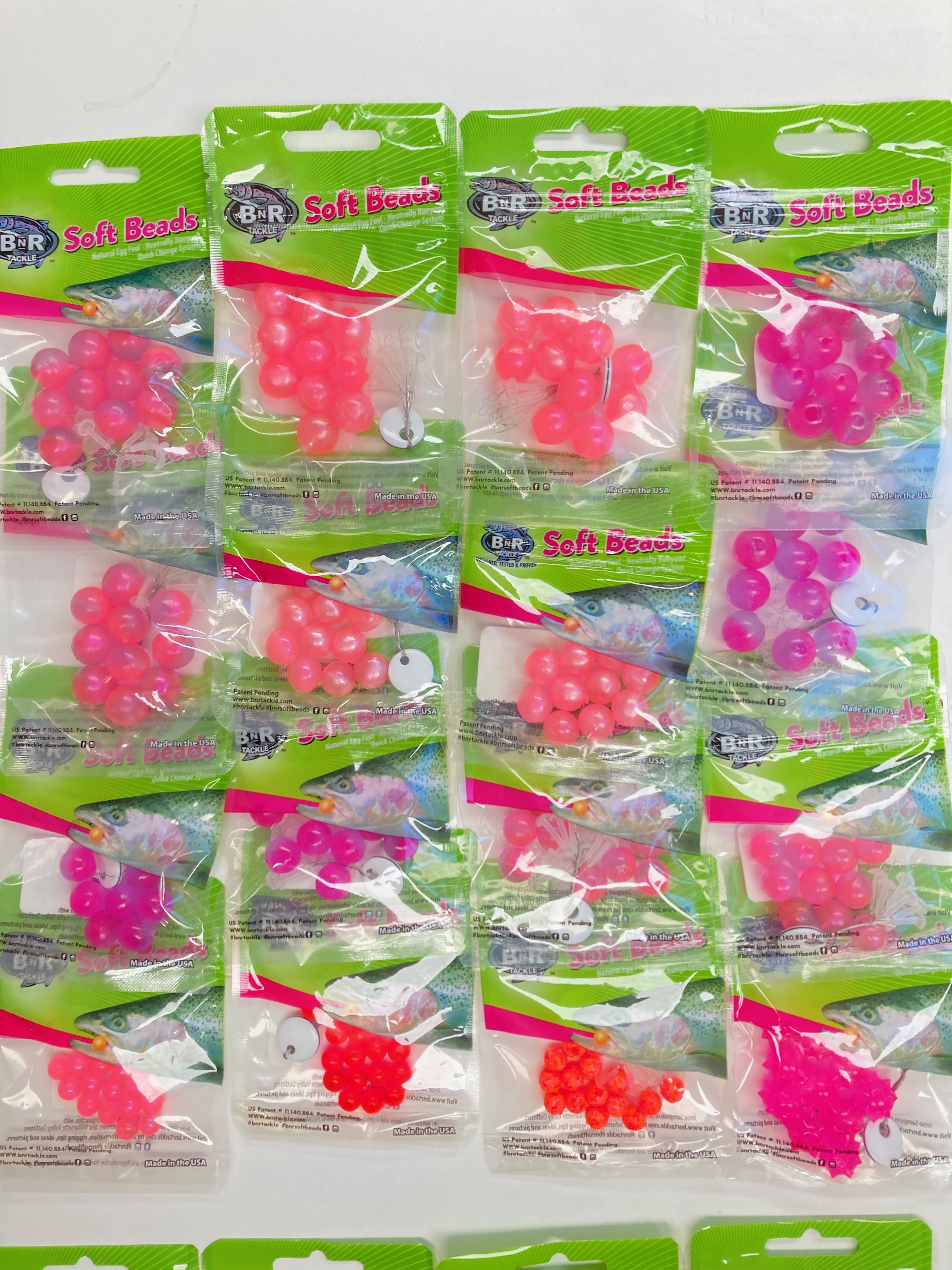
Both options are excellent, but salmon and steelhead may quickly become disinterested in the bead if it doesn’t seem natural. This is where the soft bead truly shines. It enhances the likelihood of anglers catching more fish as the salmon mouth on the bead.
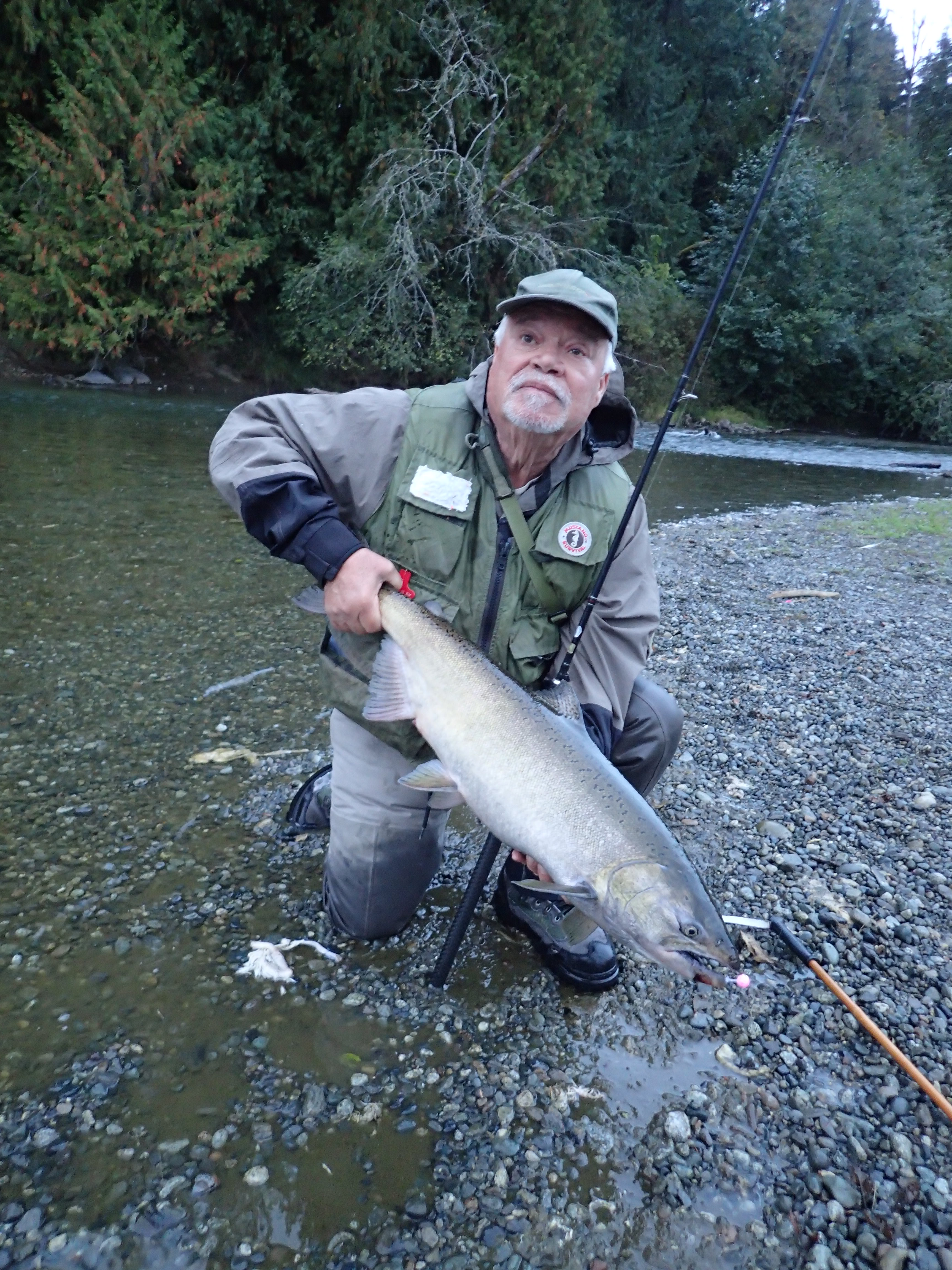
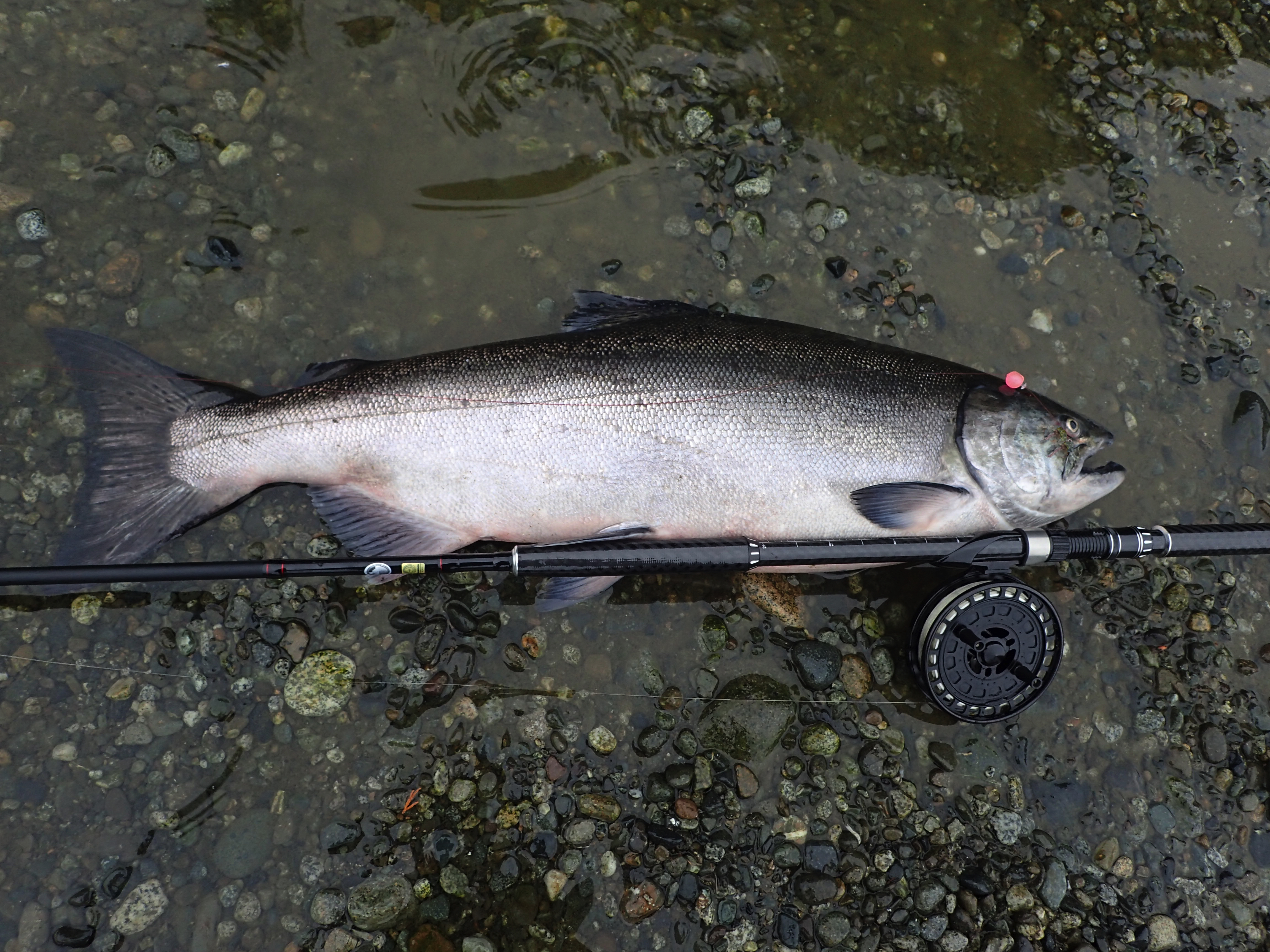
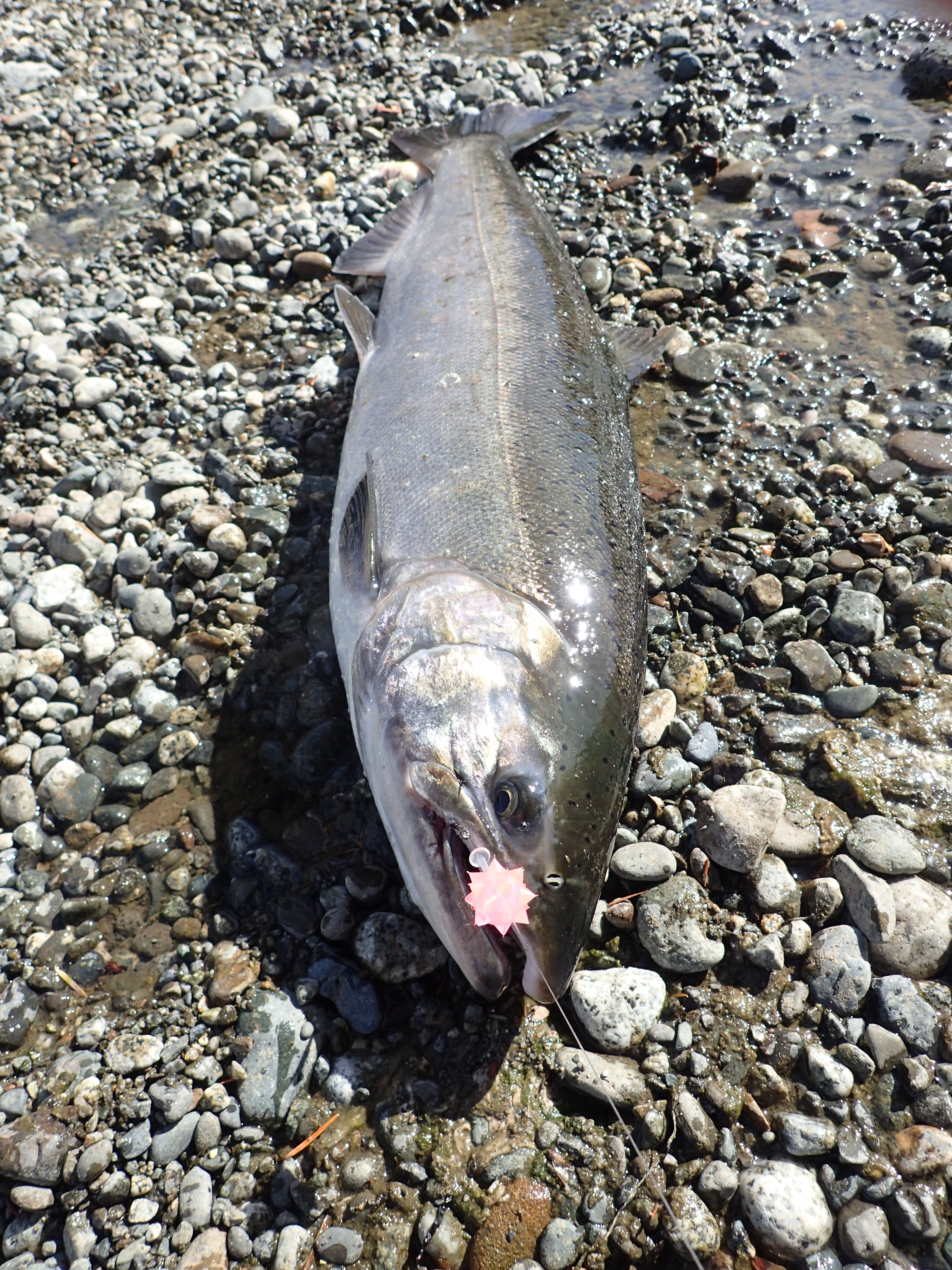
I head to a well-known river each autumn to catch Chinook and Coho salmon, where bait fishing is still permitted. I’ve tried both bait and beads, as you never really know what the fish will prefer.
Over the past three years, I’ve noticed that more anglers are opting for soft beads, and the success rates seem to favour this method.
To boost their chances of success, roe anglers should consider using soft or hard beads.
Discover more from castingaline.ca
Subscribe to get the latest posts sent to your email.

