By Gil d’Oliveira
It is a quest in every angler’s mind to find the holy grail lure that will catch everything. Could this exist? Some say yes. As in any sporting activity, you can win and lose. The anglers in British Columbia are no exception.
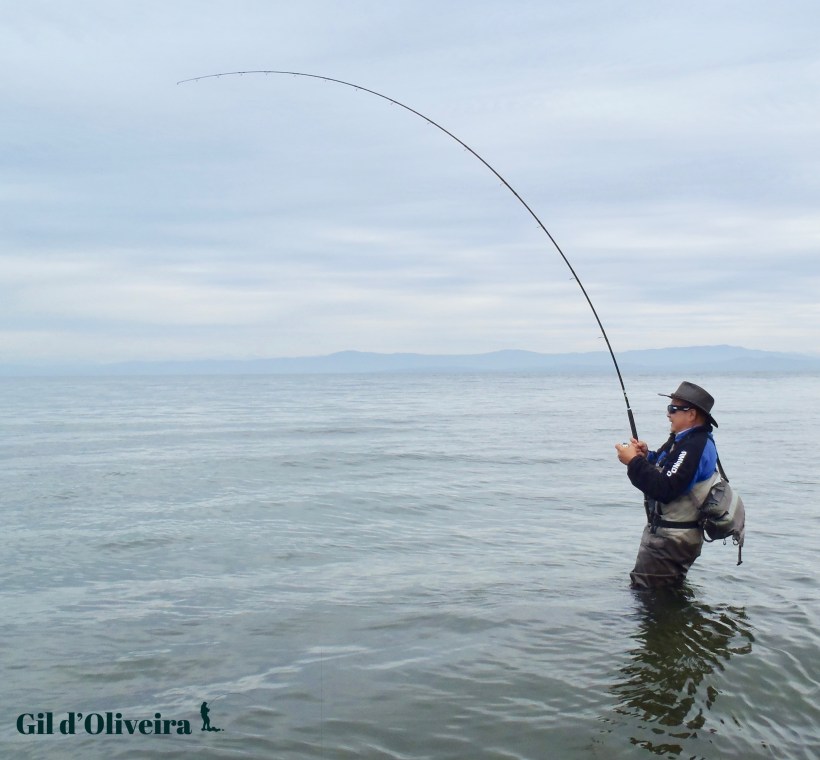

It is a quest in every angler’s mind to find the holy grail lure that will catch everything. Could this exist? Some say yes. As in any sporting activity, you can win and lose. The anglers in British Columbia are no exception.
British Columbia, Canada, provides anglers with opportunities to fish from ocean beaches, coastal bluffs, various floating vessels, or even to wade into flowing waters. Anglers can select from over a thousand lakes and rivers.
Factors beyond his control often influence a fisherman’s success. One significant element is the weather. Other crucial factors to consider are water clarity (clear versus murky), water flow (high versus low), air pressure (high versus low), temperature, wind, tides, and currents.
Regardless of how ideal the conditions seem, an angler can still face challenges, as what worked yesterday might not work today. The term “matching the bite” is widely recognized in the fishing industry. For example, trout may have switched to feeding on a different prey species, size, or colour.

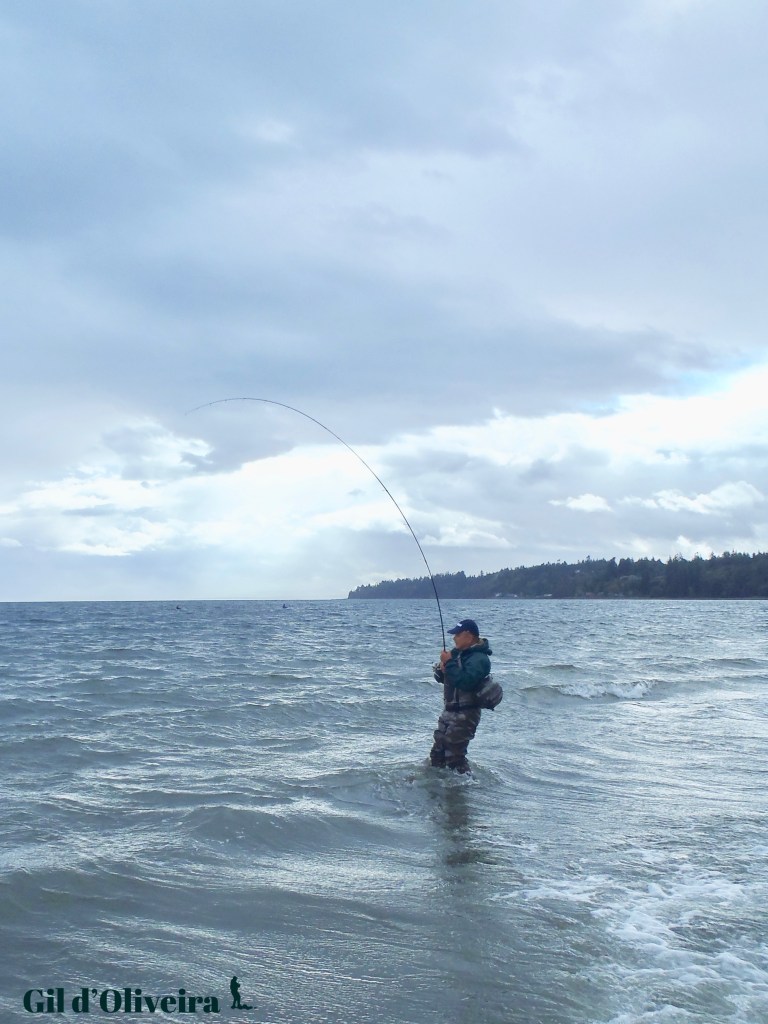
To achieve success in fishing, it is essential to have a comprehensive understanding of the fish species you are targeting. Pay attention to their preferred locations in the water column during seasonal changes, as well as their favoured spots for holding in river flows. It can also be helpful to recall where they have consistently been throughout the year.
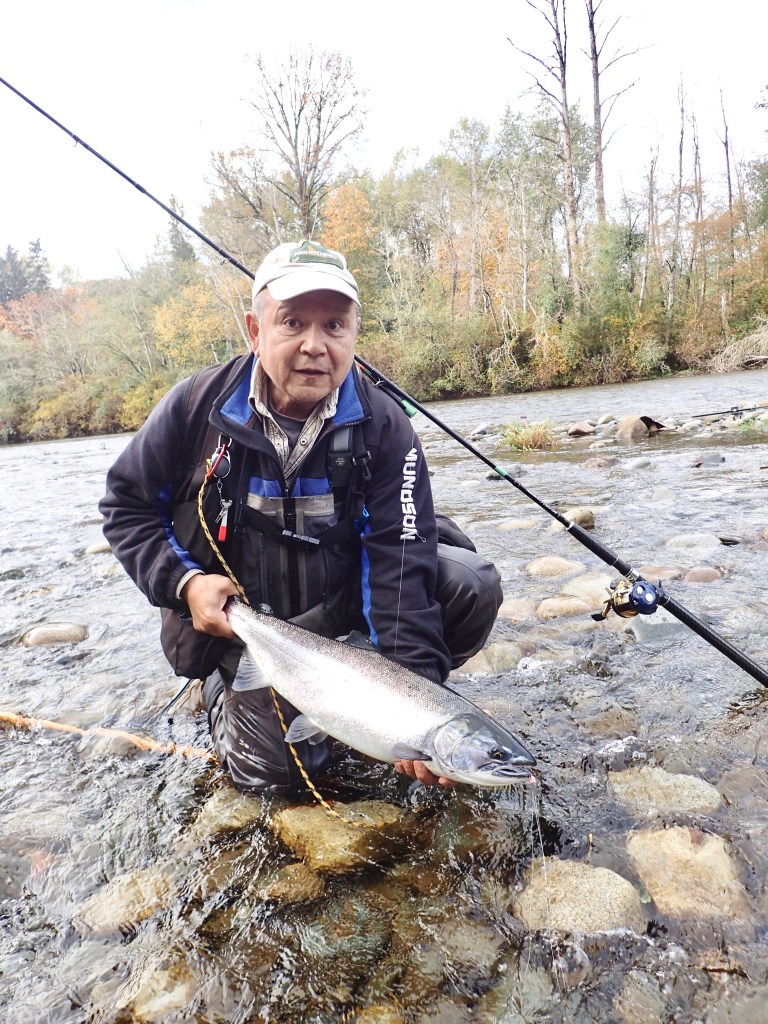
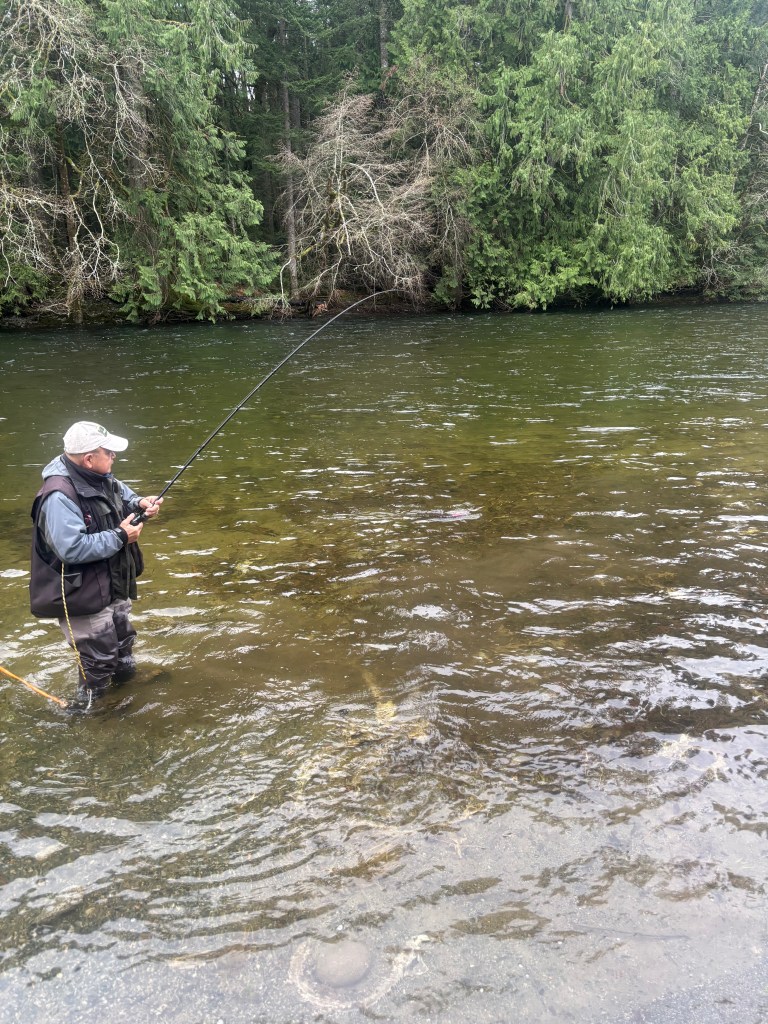
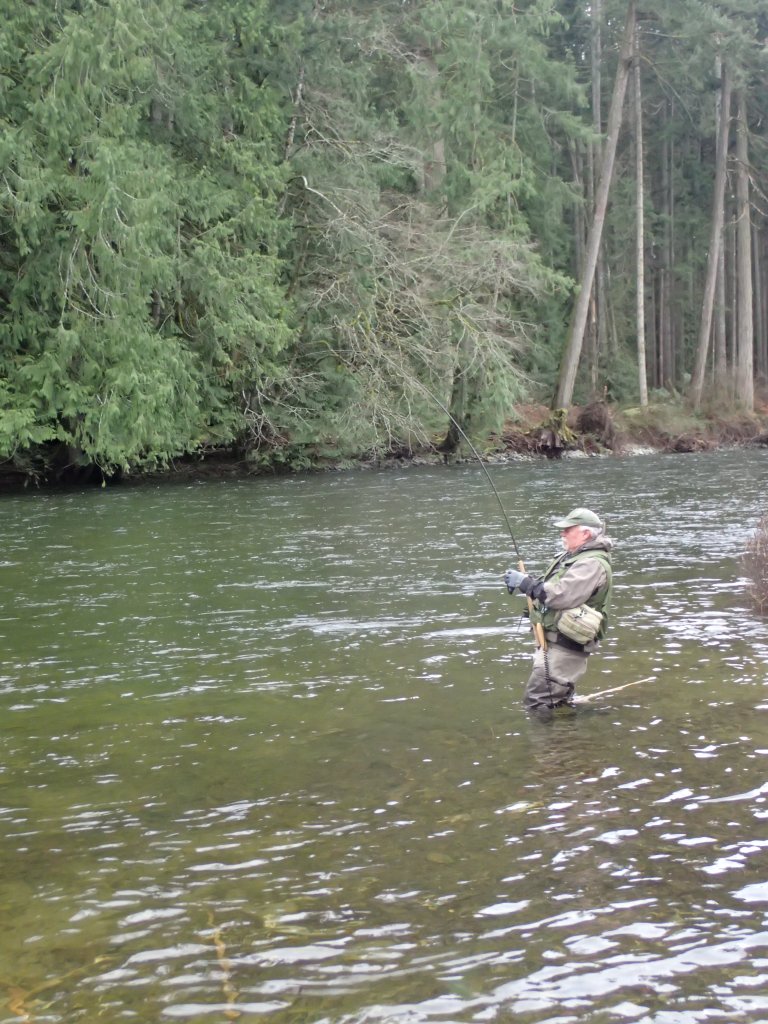
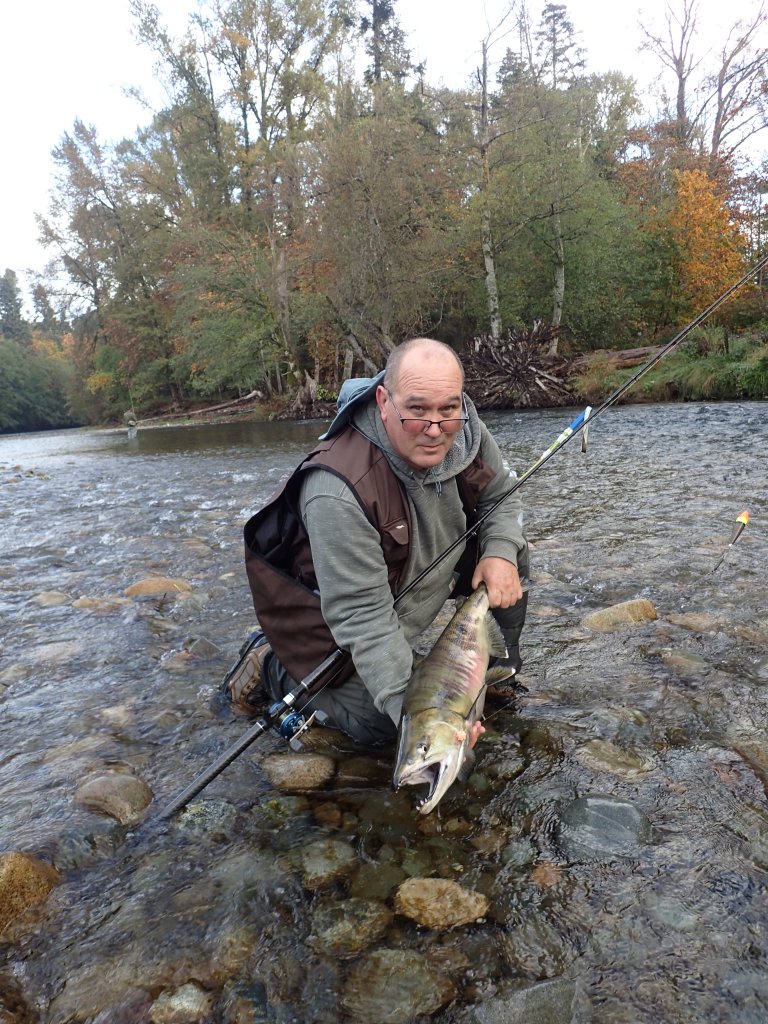
There are several reasons why fish strike, with hunger being a primary one. To improve your chances, it’s best to mimic the prey they are currently eating. Since fish generally do not expend much energy, using a lure that represents distressed or wounded prey can increase the likelihood of attracting their attention and prompting a strike.
A fish may strike for several other reasons, including defending their young or eggs, competing for food, being agitated, or during spawning. An aggressive response can be triggered by a lure that produces annoying movements, flashes, or sonic vibrations. The Angler can improve their chances of success by twitching, jigging, or allowing lures—such as spinner blades—to flutter and drop through the water column.
Additionally, fish exhibit spontaneous strikes that they have adapted to over the course of their lives. Even if they have partially or entirely shut down their feeding during nesting or spawning, they may still instinctively react. This reflexive strike occurs when a lure suddenly appears in their vicinity; it is often called a “short strike.”
Salmon stomachs have been known to contain many consumed eggs as they travel up their spawning river. The theory is that they are destroying their competition’s eggs. This is why natural roe is successful. Imitations like soft beads, hard beads, and corckies often are successful.

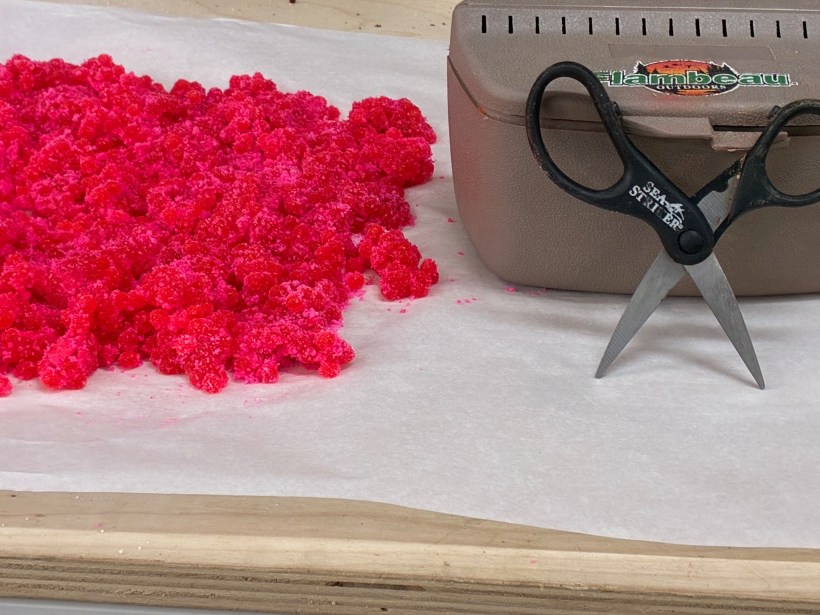
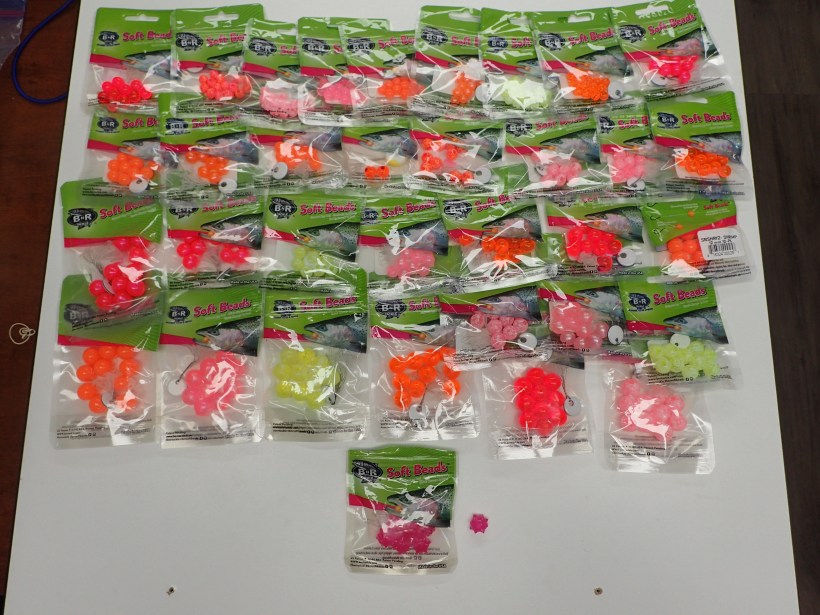
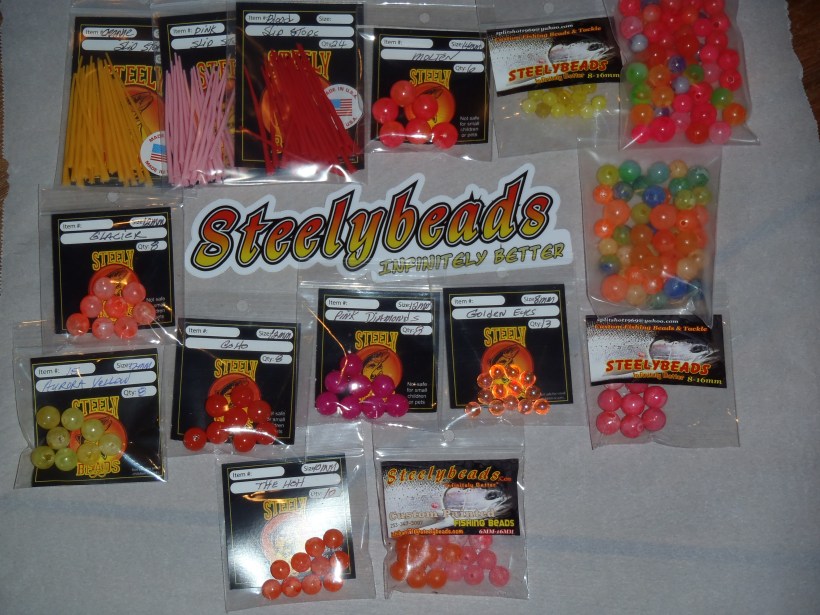
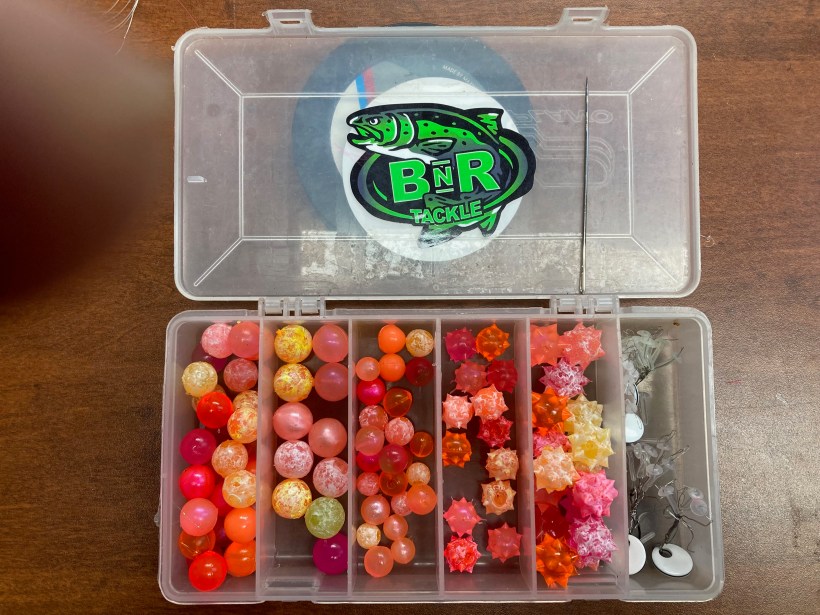
Sometimes, if a fish bites slightly away from the lure, it can lead to a missed hook-up. Normally called the short strike. To increase the chances of catching fish, consider using a hook with a longer shank or adding a trailer hook extension at the back. Another benefit is the reduction of losing your catch from tearing out.
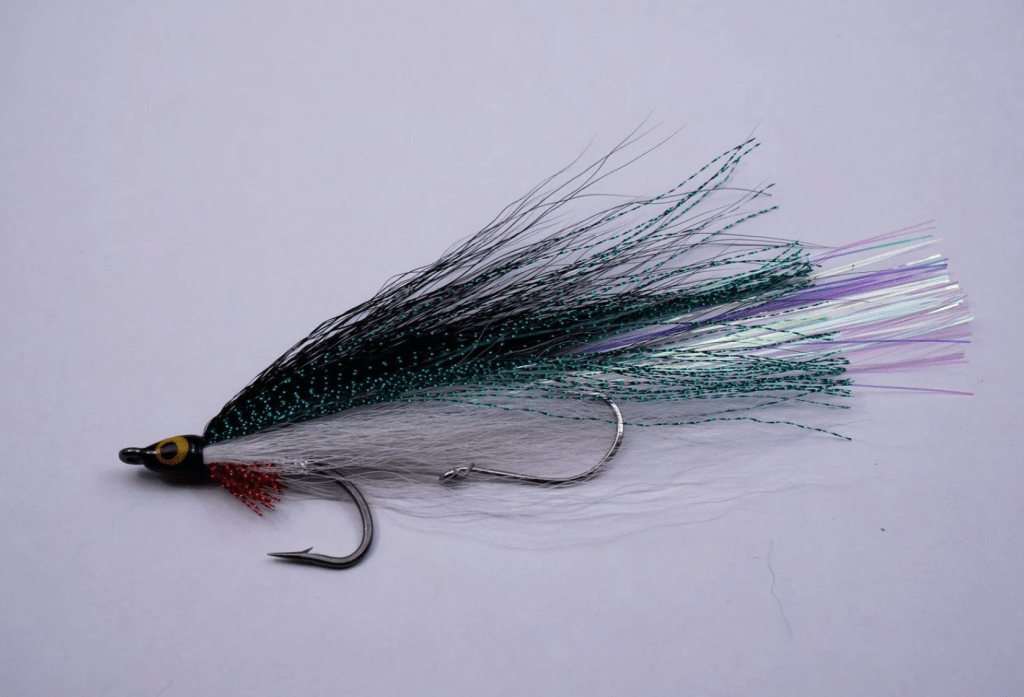
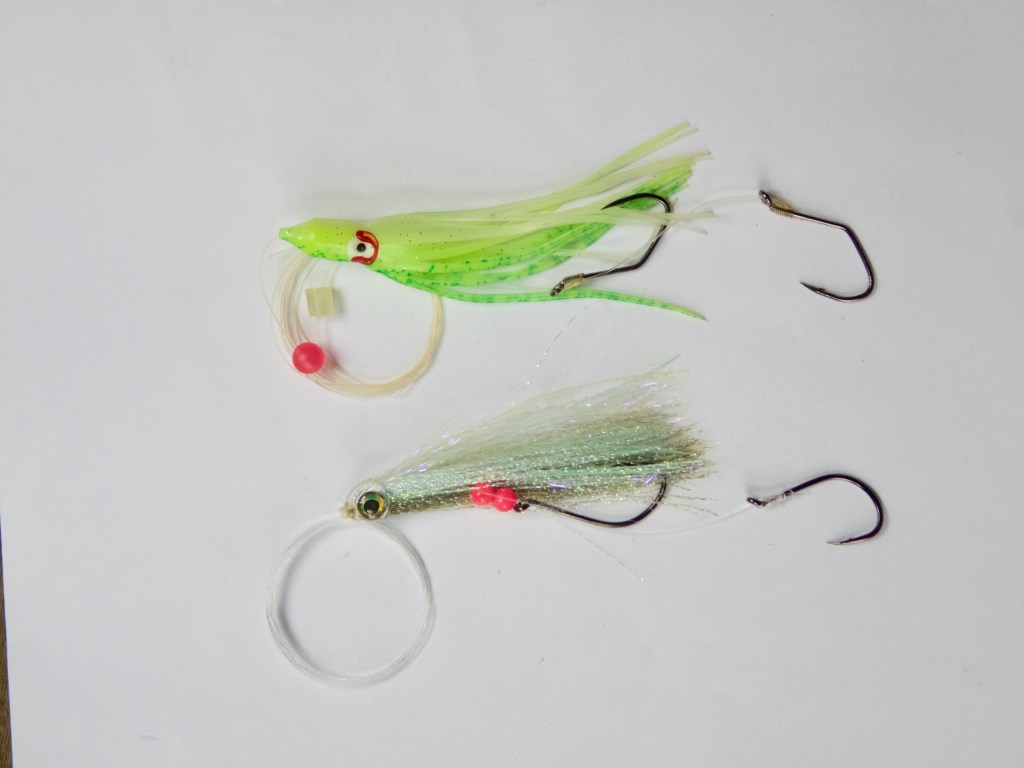
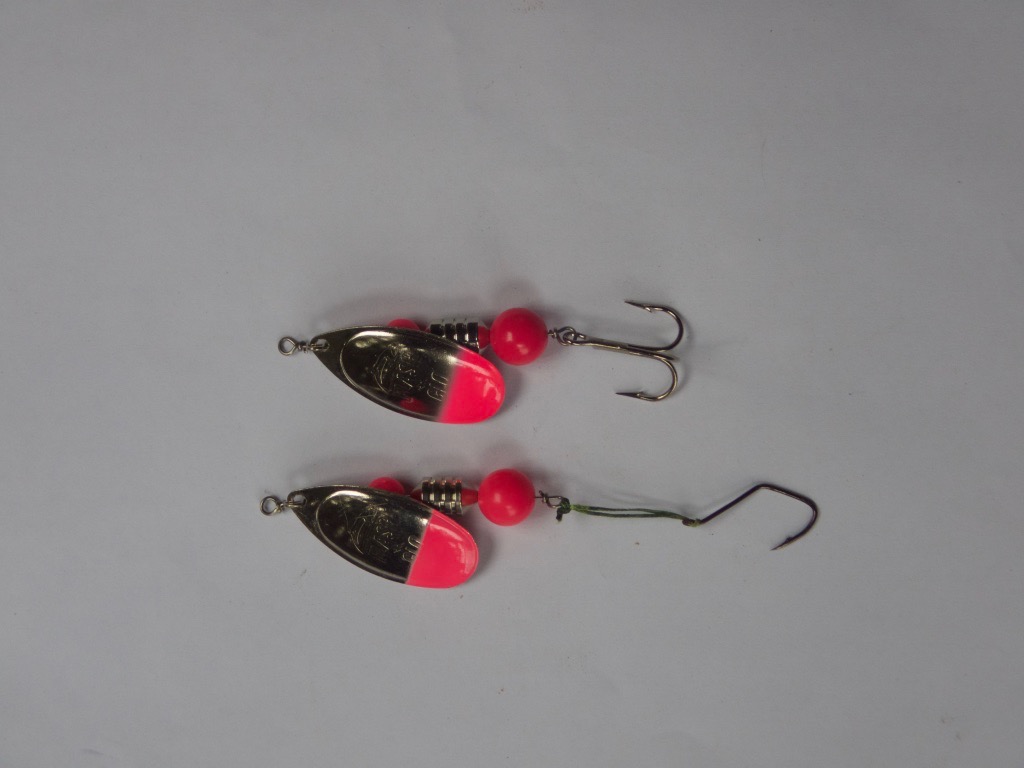
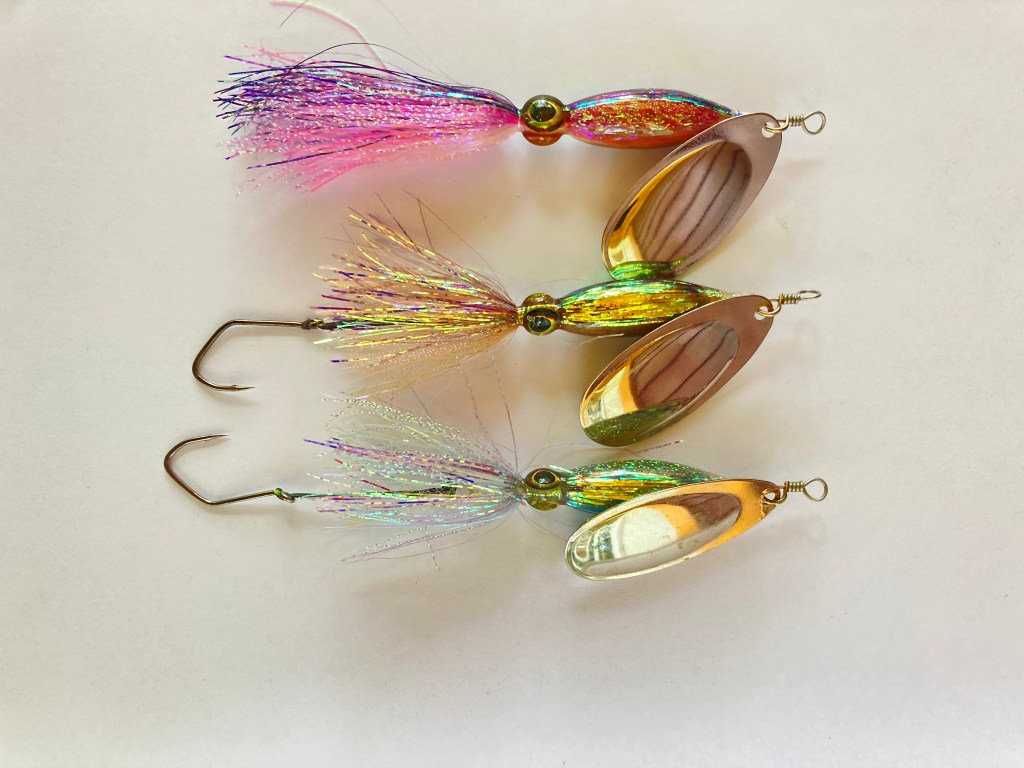
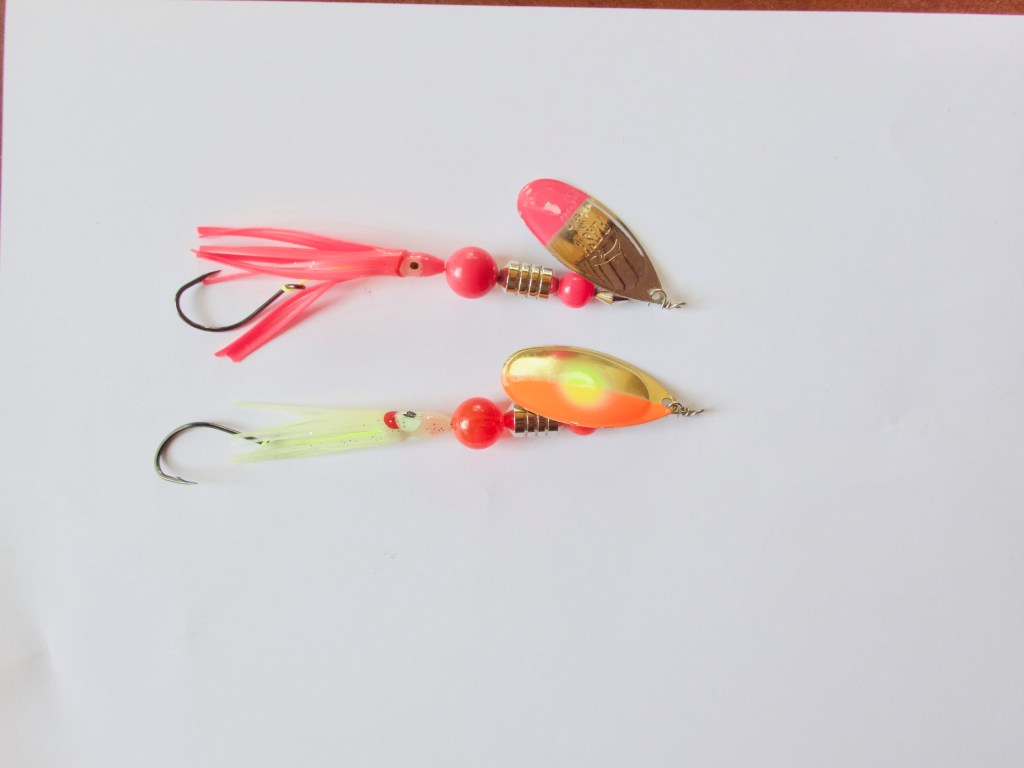

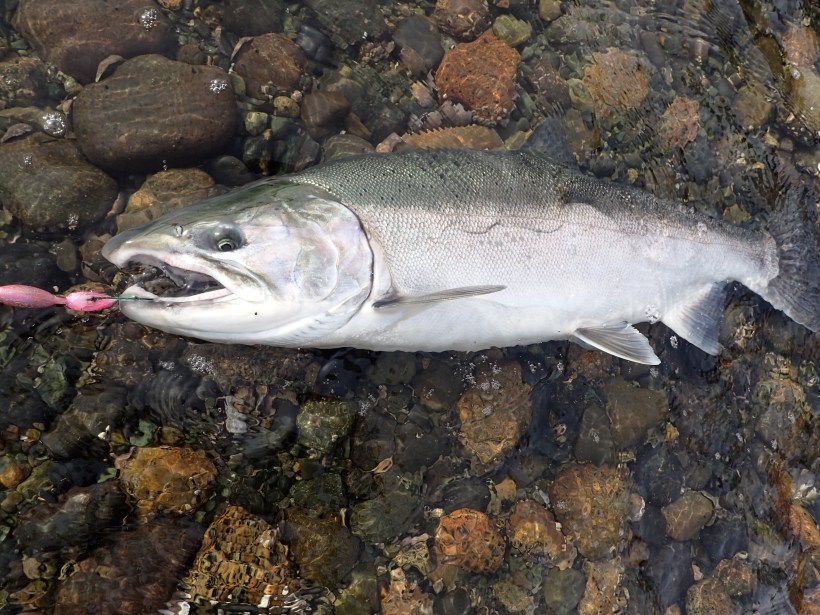
Selecting the proper lure presentation is essential for successful fishing. The fishing industry offers anglers a vast array of lures to tackle various challenges. These lures come in many forms, including spoons, jigs, spinners, soft and hard bodies, floaters, poppers, divers, fly-tied lures, heavy steel lures, and more.
A lure can be more effective when paired with action accessories that create erratic movements. For instance, a boat troller can use dodgersor a flashers. Lures that have no action on their own can be enhanced with an action disc. Casting lures can have plastic lips of various sizes and widths that will make the lure dive, swing back and forth, and vibrate.
In addition to soft-body lures that wiggle and squirm, casting anglers can utilize spinners in a variety of blade shapes, colours, and finishes. Spoon lures can also be very dynamic, and you can enhance their movement by twitching and jigging them, including those that produce sounds, vibrating noises, different colours, erratic movements, scents, and even electric pulses.
Some anglers have found success by adding a soft-action lure to a hard lure, such as a spoon or spinner.
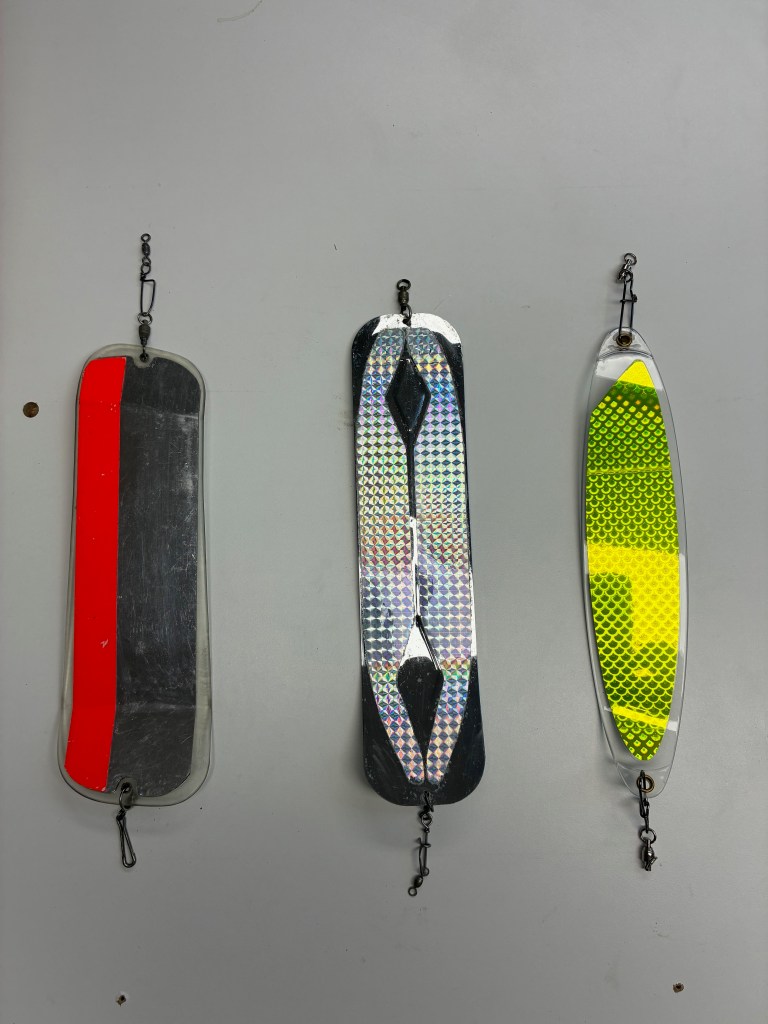
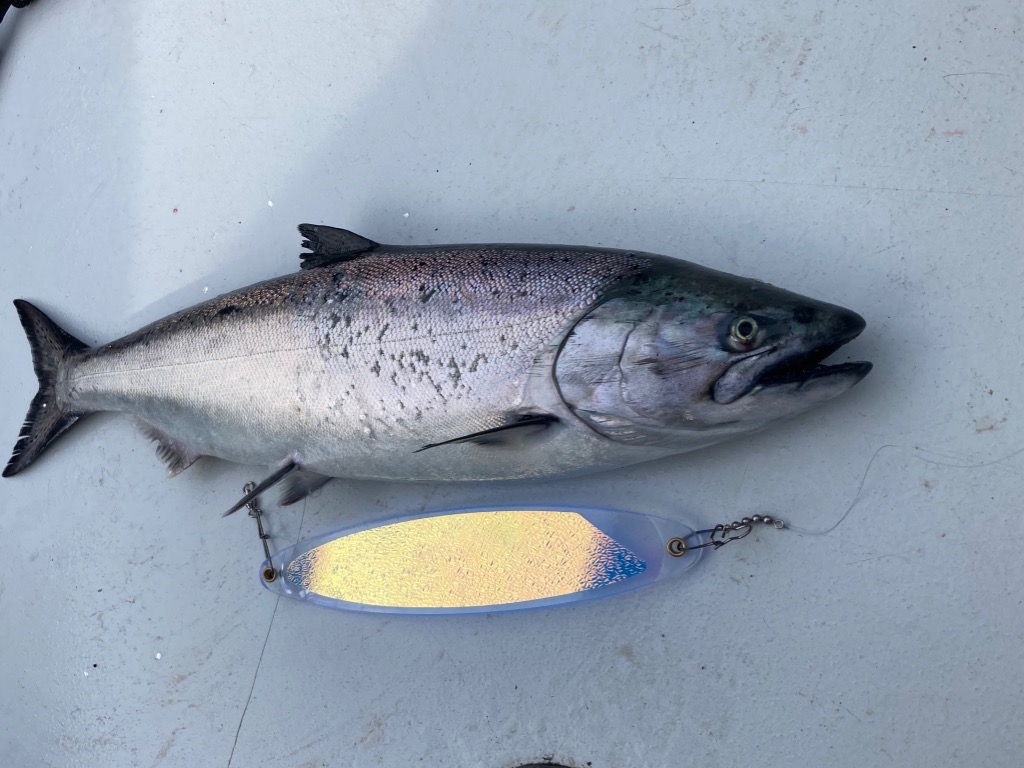
Fish food preferences can change over time, meaning that a lure that was successful in the past may no longer be effective if the fish’s food source has shifted. Even a slight alteration in the colour or size of the lure can impact your fishing experience.
The bite can be affected by water clarity. An angler can increase their chances of having a selection of sizes and colours to match the current conditions. For example, low rivers are often more successful with smaller beads than larger ones in dark water. Bright colour lures on sunny days and dark lures on cloudy days will have the effect of success.
To increase your catch rate, it’s important to diversify your lure selection. Start by identifying your target species and considering the conditions in which you will be fishing.
While there isn’t a “Holy Grail” lure that guarantees success, many successful anglers adapt to changing circumstances and find ways to improve their catch rates.

 castingaline.ca