Pro and Cons of Anglers’ Nets
By Gil d’Oliveira
At the beginning, the fishing nets, relatively thin threads, are knotted into meshes. Several fibrous plants were originally used to weave early nets, including grasses, flaxes, and mosses. It was later replaced by cotton. Most nets are made of artificial polyamides, such as nylon.
Nets -Good or Bad
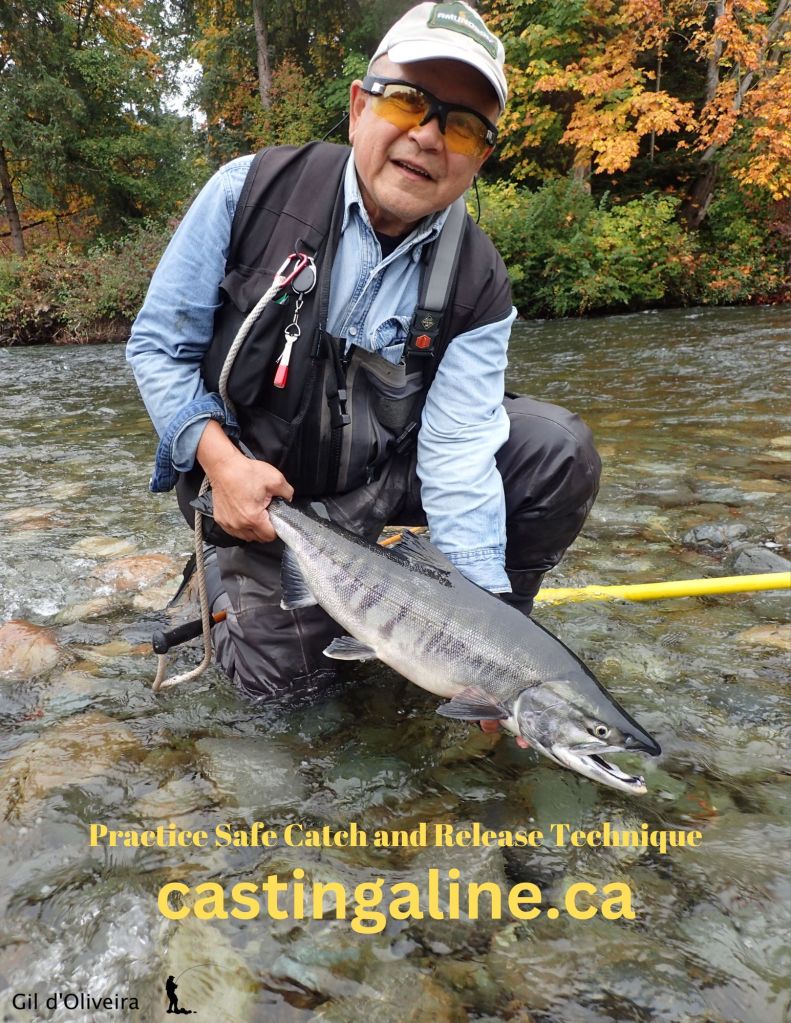
As a key player in the fishing ecosystem, the angler faces many selective, varying restrictions based on the targeted species, whether in Canada or the USA, fishing in tidal or non-tidal waters. Due to this fact, catch-and-release is now a major part of the sport, emphasizing the angler’s crucial role in conservation.
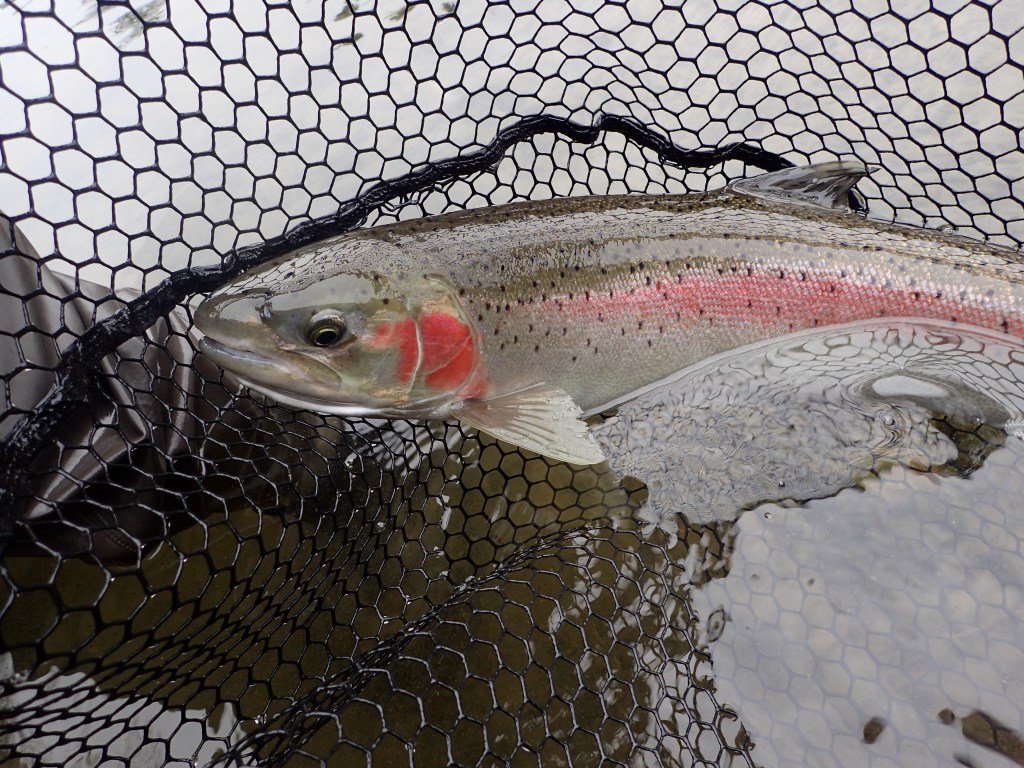
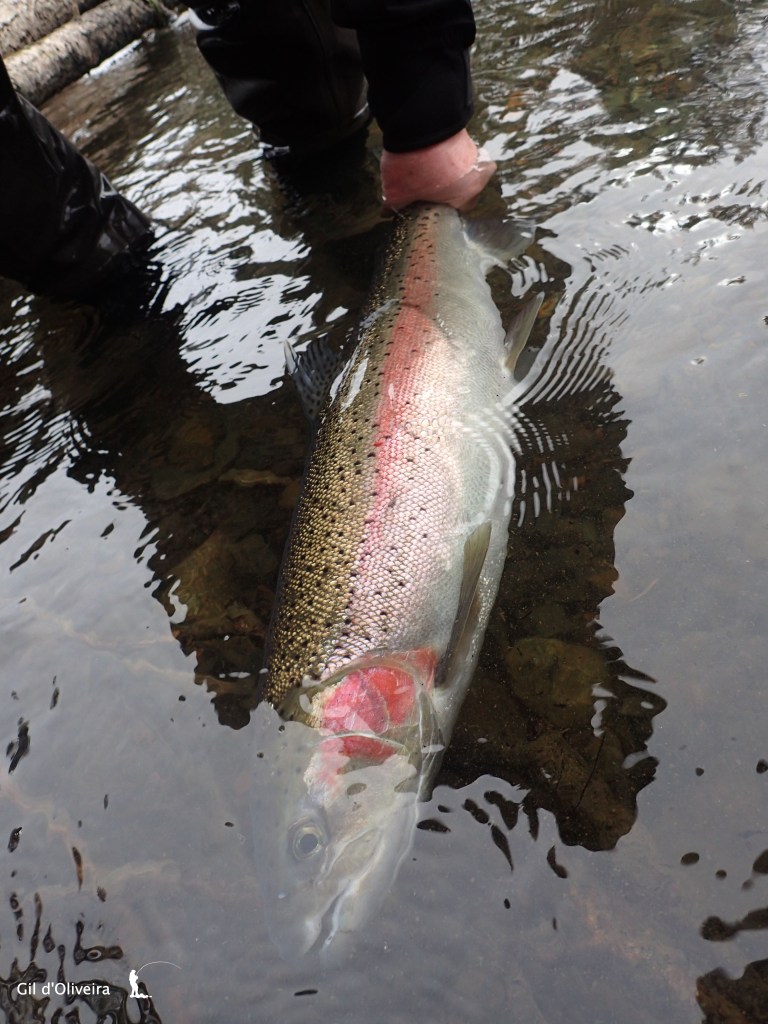
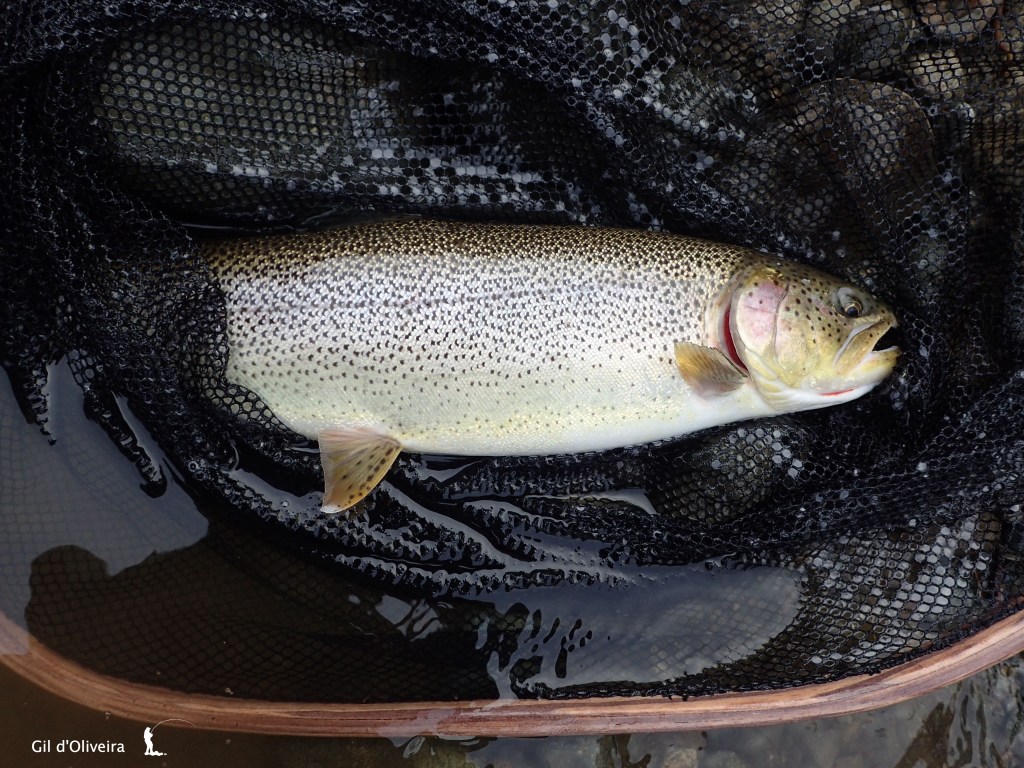
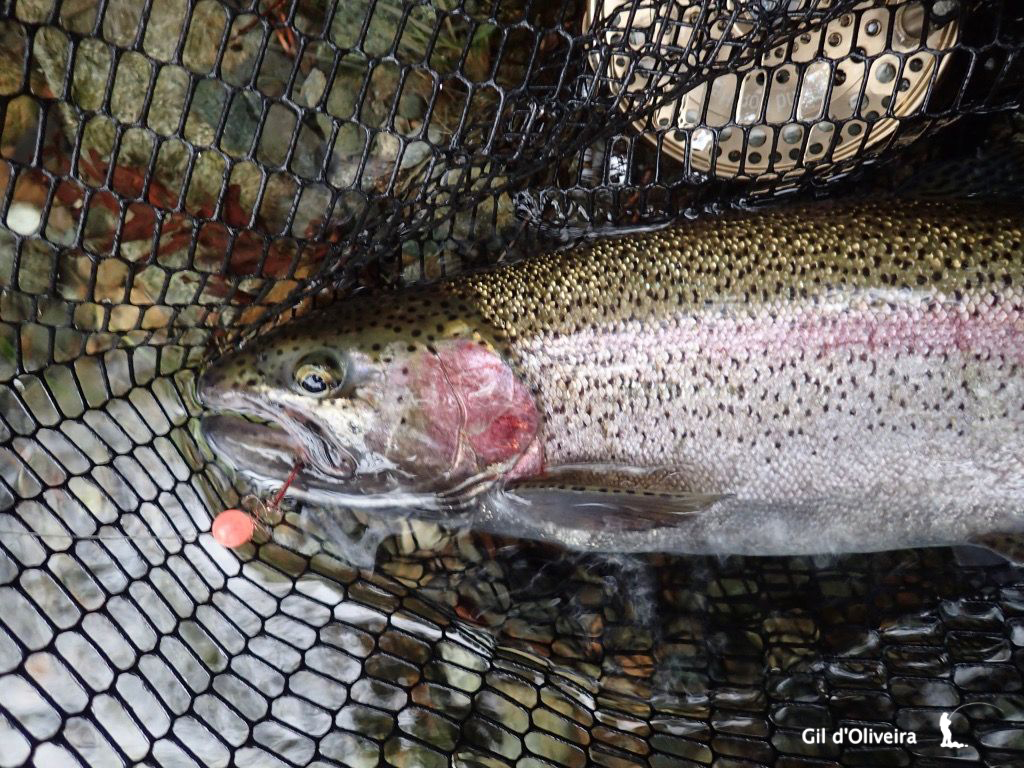
Anglers face more catch-and-release fishing regulations, which have become more prevalent than ever. Anglers will find the best fishing opportunities by caring for the fish they catch with conservation in mind and following regulations and ethics, thereby contributing to the sustainability of the sport.
While an angler’s net is a major tool for subduing fish, fishing nets can also be the most destructive, jeopardizing their survival. The use of nets has two harmful effects. They can remove scales and the protective mucus covering their bodies. Physical damage, such as wounds to the fins, the eyes, and the body, can leave the fish vulnerable to infections and white mould, known as body fungus, whether in salt water or fresh. This highlights the urgent need for more sustainable fishing practices.

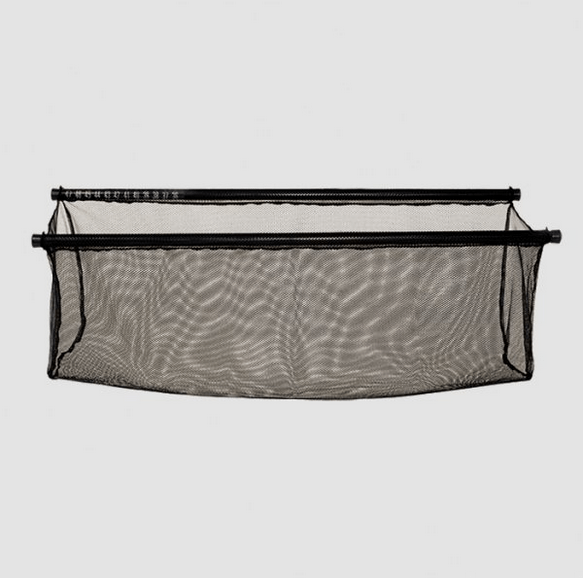
Lucky Strike Bait Salmon Scoop Net…….Lucky Strike bait Cradle Net
A common mistake is not matching the net size to the targeted species.
There is a higher likelihood of loss when this occurs, as it often leads to unsuccessful captures.
Anglers’ nets fall into classes. They are either scoop nets or cradle nets.
Scoop nets
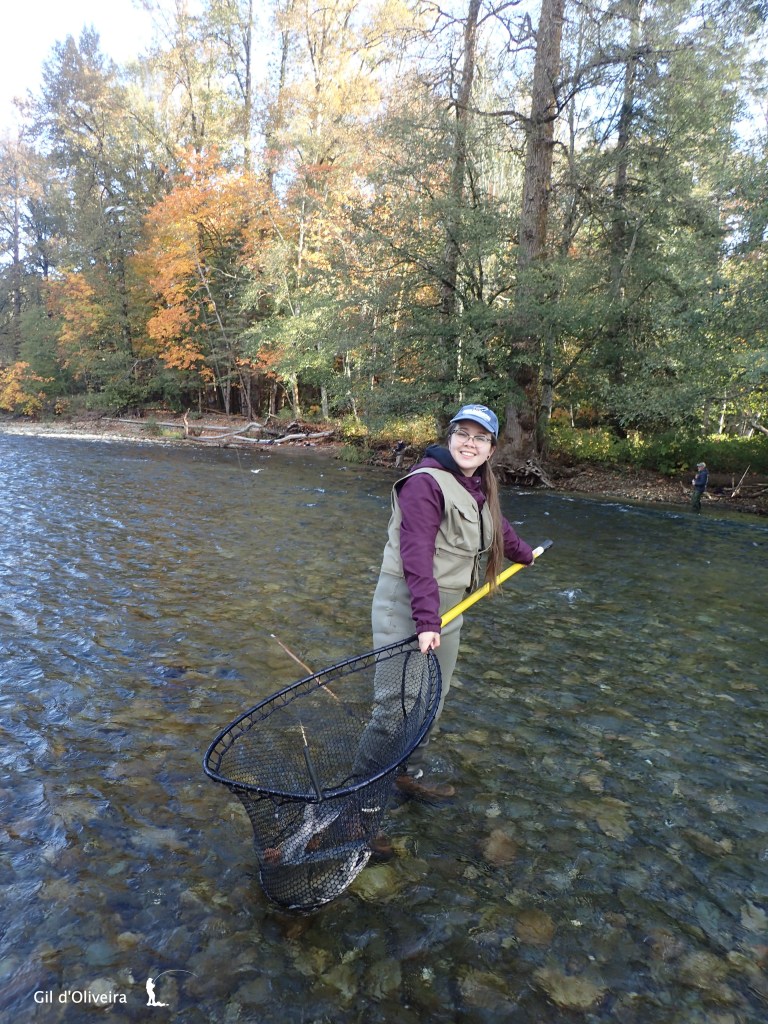
It features a grid-like net design that allows the angler to dip beneath the fish and catch it in an extended scoop action. The scoop net is comprised of a rigid hoop connected to a handle. The hoop’s dimensions and the handle’s length are chosen according to the targeted species. Using a scoop net can effectively subdue the fish, minimizing excessive thrashing swiftly.
Cradle Nets
Mesh netting between the parallel handles provides gentle support for hook removal while ensuring the fish remains submerged and in a horizontal passive containment to prevent salmon from thrashing about.
Cradle Nets
Mesh netting between the parallel handles provides gentle support for hook removal while ensuring the fish remains submerged. Additionally, it maintains a horizontal passive containment to prevent salmon from thrashing about.
Three types of netting
Knotted Mesh

When choosing a fishing net, it’s important to consider the pros and cons of each type. For instance, monofilament, nylon, and a knotted mesh landing net are cost-effective. However, they can harm fish by removing scales and the protective slime, adding physical abrasions, not being released into the water, snagging hooks, or tangling easily. They may also need to be more durable since they are sensitive to temperature and UV rays.
Non-knotted Mesh
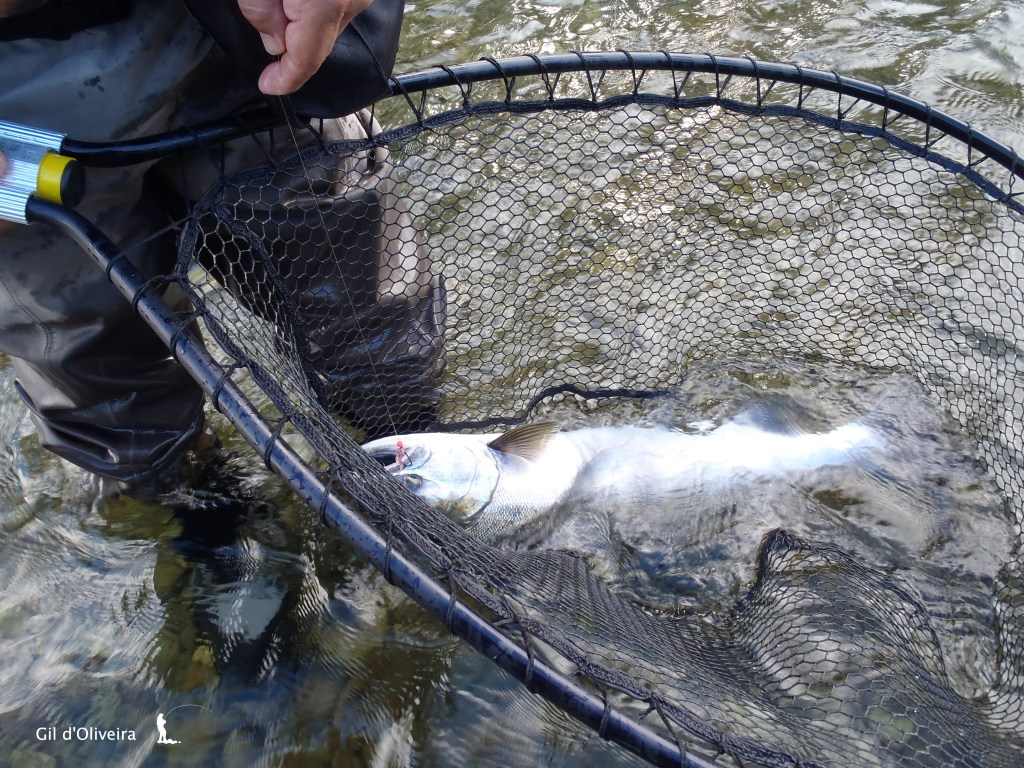
Smaller flat web mesh nets serve the fish better than the large knotted Mesh of the older type. The new material is unlikely to remove any protective slime from the fish. The fish’s gills are also protected, eliminating any possible damage—a big win when caring for caught fish. It is nevertheless possible for hooks, even barbless ones, to get snagged, penetrate the net material, and remove particles.

Rubber Mesh
This fishing net is ideal for catch-and-release fishing, as it is gentle on fish and odour-free. It features a completely snag- and tangle-free design, allowing for a decent selection of sizes appropriate for any fish. This net will last many years and is made of durable, stretchy rubber material. However, it does come with the downside of being heavier and stiffer than other nets and eventually wearing down.
Anglers must check regulations related to the area and species they target.
Parts of a scoop net
The Handle
The handle is often made of light alloy, laminated wood, synthetic plastics, and, lately, graphite. Depending on the application, the manufacturer can determine the length of the handles or offer an expandable option.
The Nets Bowl
Based on the species, the Bowl of the net can be flat, long, bowl-shaped or elongated ( deep ).
British Columbia only offers tips in the tidal regulation synopsis.
https://www.pac.dfo-mpo.gc.ca/fm-gp/rec/salmon-saumon-eng.html
“Practice safe and responsible release techniques to ensure salmon survival.”
The only wording under the tab describes unlawful actions.
“An offence is failing to release with the least amount of harm any fish caught that you may not legally retain; when releasing a fish, you must immediately return it to the water you caught it from.”
https://www.pac.dfo-mpo.gc.ca/fm-gp/rec/first-premiere-eng.html
Pro tip: Pros and Cons:
How to Improve the Survival Rate
Practice safe and responsible release techniques to ensure salmon survival.
- Use only barbless hooks when fishing for salmon (mandatory). Easy release.
- Use pliers or a Gaff on a single hook by holding the leader downward. Lifting the gaff on the hook with a twist will pop a barbless hook.
- Bring the fish in as quickly as possible. Lactic acid is produced in the muscle tissue when the fish is being fought, reducing oxygen and causing the muscles to function inadequately. A long fight duration is detrimental to the fish’s survival.
- Use a soft knotless mesh net to minimize scale loss.
- When lifting a fish, one hand should be placed around its tail base and the other under its belly. Cupping your hand without squeezing will reduce internal damage and support the fish upright and horizontally.
- position, preferably underwater and facing into the current
- Handle fish securely, immobilizing them while removing the hook. It is best accomplished in a net without lifting them out of the water.
- If the fish is hooked deep inside the mouth, cut the line as close to the hook as possible and leave it in.
- Handle the fish with wet hands. In this way, the fish won’t be subjected to eliminating its mucus, which is the primary barrier of protection against disease, fungus, and parasites.
- Pro tip: Cons
- Touch or handle a fish by its gills.
- Lifting a fish by its tail alone can dislocate tendons in the tail or damage the spine, which is highly possible.
- Allow fish to flop on the boat deck if being released.
Preserve your catch and increase its survival.
Discover more from castingaline.ca
Subscribe to get the latest posts sent to your email.


ideal! Reports Detail [Cultural Shifts] in [Society] 2025 pleasing
LikeLiked by 1 person