Gil d’Oliveira
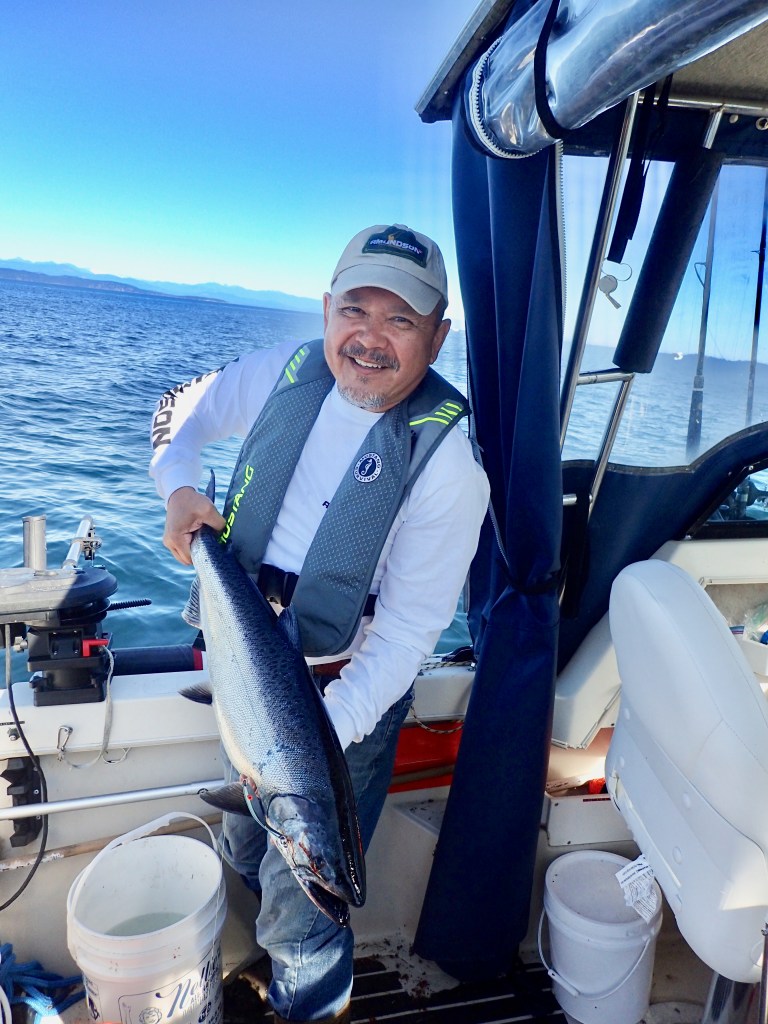
On the ocean waters of British Columbia, the salmon anglers cast lures, jigging lures or trolling their lures for their targeted salmon species.
The issue is locating the salmon. They search for easy prey to increase their weight and energy as they grow toward their migration to spawn. They constantly move, so anglers must cruise the waters to determine where they will likely succeed.
Experienced anglers will know where salmon travel routes are common throughout the year. Major factors in locating them include currents, tides, ocean bottom structures, high- and low-pressure systems, and bait.
They will spend their final days near the estuaries of the streams where they were born before travelling up to their natal waters.
It is their predatory life to consume and use the least energy possible. By using a limited amount of energy when feeding, they can gain an average of 1 pound per week during their staging. Seeking the bait balls is the best way for them to accomplish this.
What is a Bait Ball?
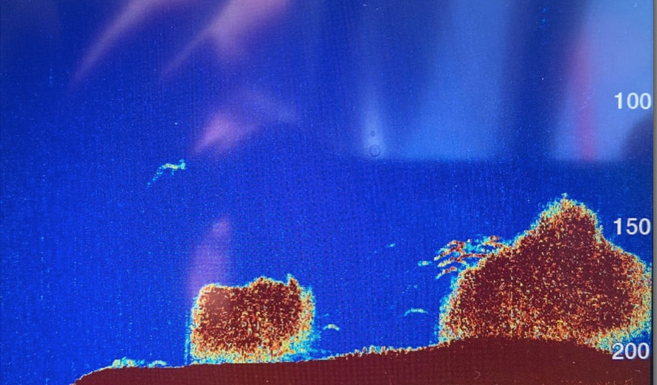
It is the result of fish pooling tightly together in a circular pattern. When threatened, the fish use these defensive measures as a counter-threat from predators. This massive effort protects baitfish in open waters without the protection of a structure. Those that are on the outside are more vulnerable than those in the moving core.
The downside for the baitfish is that it signifies other predators and attracts more.
Where are the bait balls?
There are two ways for the angler to locate these treasure troves.
Observation of surface salmon activity, bait activity at the surface, and seabird activity can narrow it down. Moreover, an electronic fish finder can pinpoint the location of a bait ball. Anglers can use the electronic fish finder to determine how deep and large the bait balls are. Some fish finders can also show where the predators are roaming around the bait ball. Alternatively, another predator, like a dogfish or rockfish, may be looking for easy prey.
This option involves a lot of cruising in the boat. Once found, the angler can mark the location with their fish finder GPS as the predators constantly move the bait ball.
If the angler trolls through the bait ball, the lure can get lost in all the swimming baitfish. We like to troll just above or just below the bait. The salmon are skirting the mass of fish bait, seeking the outsider that looks more vulnerable.
The other choice is to create your own bait ball. With multi-reflective components that create flashes and sonic vibrations, the angler can increase his chances of attracting salmon to him.
Trolling Flashers
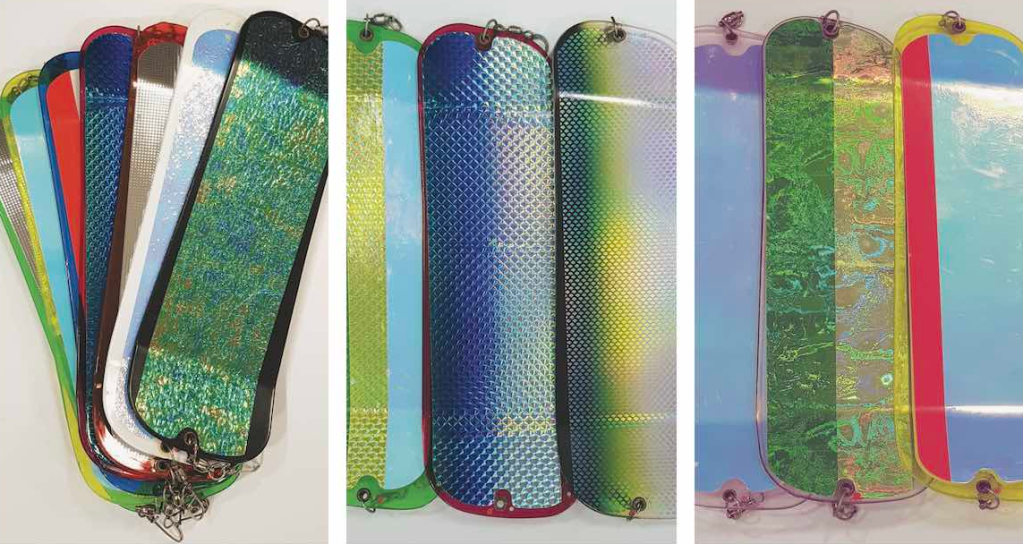
Traditional flashers are 8-11 inches, with slightly tapered boards with opposite bends at each end, causing them to sway back and forth and rotate. A lure trailing behind this motion exhibits erratic action due to the sway. Each side of the flasher has a colour and/or a reflective surface design. Manufacturers offer a wide selection of inventory for the fisherman to choose from. Anglers often narrow it down to their favourite model and colour that they had success with in the past.
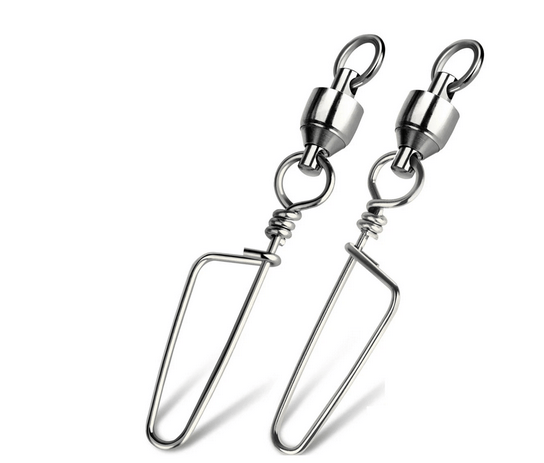
The swaying and spinning of the flasher tend to twist the fishing line. High-quality swivels with ball bearings and high-strength coast lock terminal snaps are best to counteract.
Finding bait balls in the open ocean can be daunting. The angler who can create his bait ball swarm will have an advantage—an increased number of individual flashes and multiple sonic vibrations increases the salmon’s likelihood of attraction to the lure.
Consequently, they are more likely to lure the salmon from a distance or another bait ball.
Creating the Bait Ball
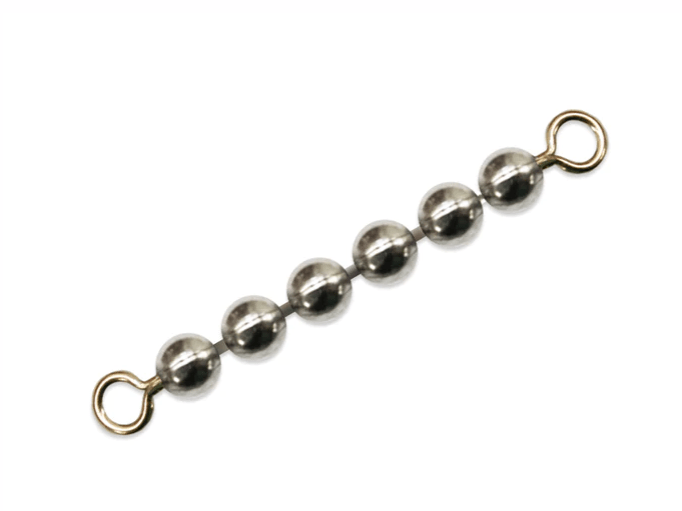
There are many ways to create a bait ball. First, there is the Daisy Chain, with many flashers connected by high-grade bearing swivels and snaps, arranged in a narrow line behind each other. The chain of flashers is six feet long, and it’s important not to drop the downrigger too fast so that the above trolling fishing line does not get entangled. There are many different shapes and colours of flasher blades offered by manufacturers for this system.
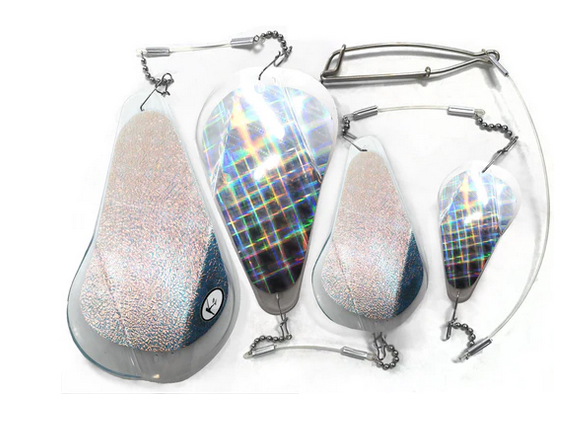
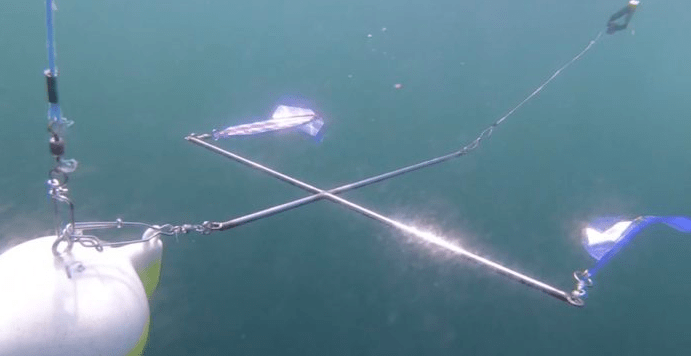
Another alternative is a multi-flash system called crucifix flashers: a spreader bar with a flasher at each end, with the lure line in the center.
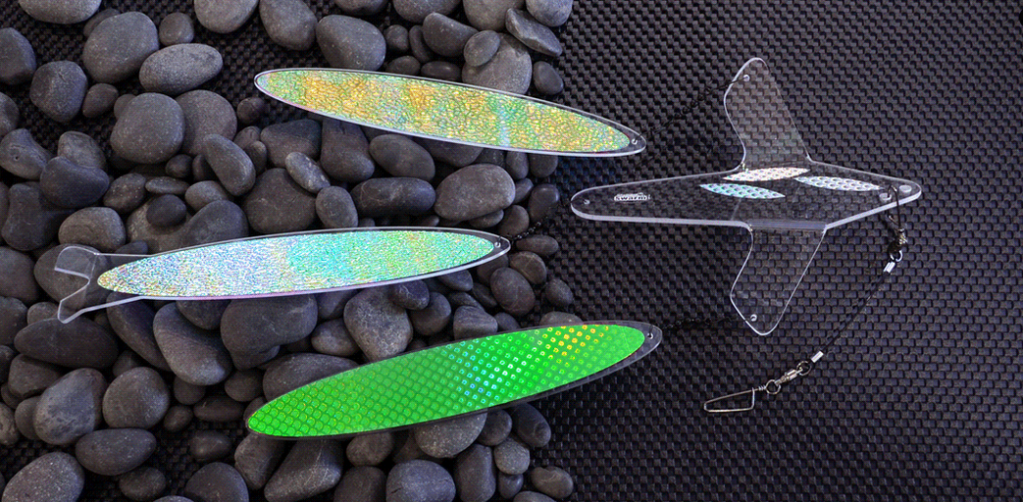
Also, an option is a swarm of multiple flasher systems alternately displaying a multi-flash display with a larger width and a shorter length.
Instead of 5-6 feet long, the swarm flasher is two feet long, with nine reflective surfaces. The combination of the blades increases the width by about 2.5 feet. The advantage of this flasher type is that each blade can be quickly changed independently without handling the other flashing blades, allowing a quicker change and less worry about entanglement with the main fishing line set above or when the boat turns.
Regardless of the flasher system, the lure can be attached directly to the flashers or attached above on the downrigger line. This is known as the Dummy flasher technique.
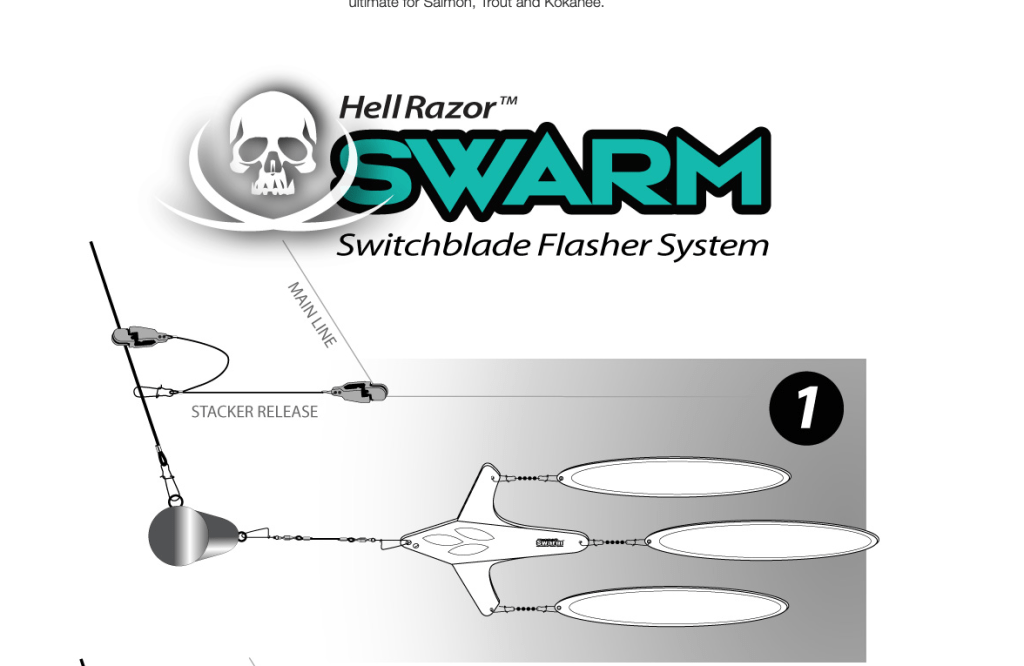
The Dummy flasher technique refers to methods in which an angler uses single or multiple flasher systems without any lure attached. The fishing line and lure are 6-8 feet above, 10 feet behind, trailing with the fishing lure alone or a single flasher attached.
Multi-flashing units are best used on both downrigger balls to balance the boat’s trolling turns to prevent entanglements.
Stacking adds more than one trolling lure to a single downrigger line, each with its own flasher or, above, a dummy flasher system. This is favoured for Sockeye salmon fishing.
Fighting a salmon without dragging a flasher challenges the salmon and the angler to a duel without added interference.
Many elements can attract salmon. Sound can be essential for bringing salmon into sight of your lures! Similarly, sight, smell, and electro-sensitivity are all crucial factors in getting salmon to strike.
Create your bait ball, attract the salmon to you, and see your catch rate increase.
Discover more from castingaline.ca
Subscribe to get the latest posts sent to your email.


This was a good read.
This is what I love in your post
Great tips for salmon fishing! I like the idea of creating your own bait ball to attract the fish.
Thanks, Ely Shemer
LikeLiked by 1 person
Thank you
LikeLiked by 1 person
Thanks
I appreciate your review
gil
LikeLike